
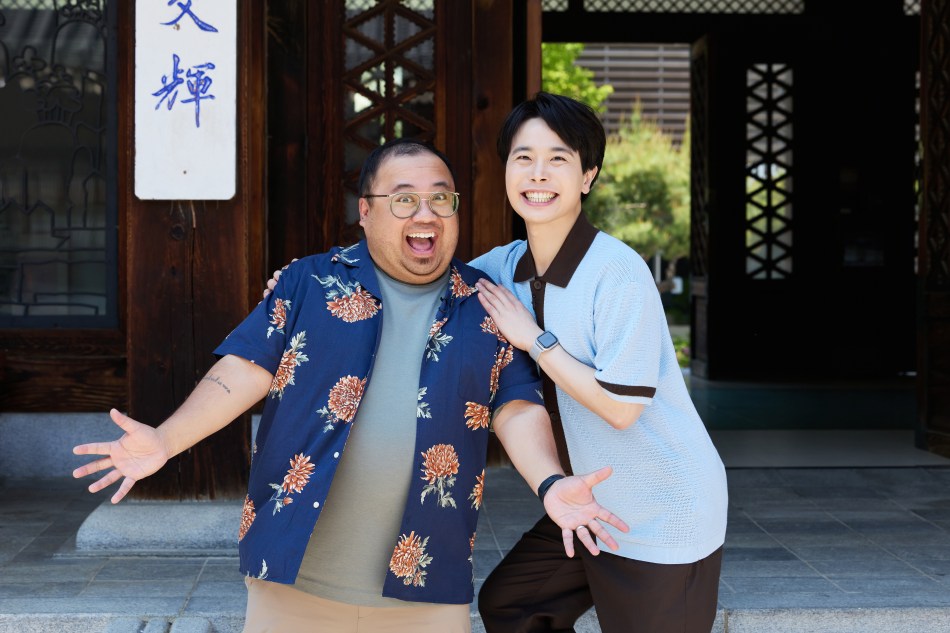
What happens when you drop a Broadway villain in Tokyo & Seoul? Broadway’s original Iago, Don Darryl Rivera, recounts his AANHPI Heritage month tour through Japan and Korea, plus how growing up Filipino-American shaped his voice and views on global theater.
Interview by Mae Liu
For Don Darryl Rivera, storytelling has always been second nature.
As the trailblazing, OG Iago in Broadway’s Aladdin, the last 11 years have been a blur of curtain calls and standing ovations: between SAG-nominated TV appearances and voice-acting projects, DDR has done it all. In fact, he’s just returned from an immersive trip to Japan and South Korea with ABC News’ Juju Chang, where they dove into two of the most vibrant performing arts scenes across Asia.
From K-Pop to Kabuki, DDR spent AANHPI Heritage Month soaking up the stages, stories, and snacks that brought his Broadway journey full circle. Between bites of bibimbap and meeting his own Aladdin counterparts across the globe, DDR found something deeper: a cross-cultural creative lineage tying his own Filipino roots to the future of Broadway.
In this exclusive feature, the Broadway star tells Generasian about what it really means to carry generational pride and legacy as a Filipino-American artist, and how our mainstream entertainment is becoming more global than ever before.
It’s a damp morning in the suburbs of Toronto when my Zoom call connects, but DDR’s energy is nothing short of effervescent. On the other line, he’s donned a cerulean Lilo & Stitch Hawaiian shirt that brightens the virtual cubicle—all 4:3 inches of it. Coming down from a heat wave in New York City, he takes a sip from a pink Angel-themed straw (“It’s 624,” he quips, referring to the date. “I had to!”).
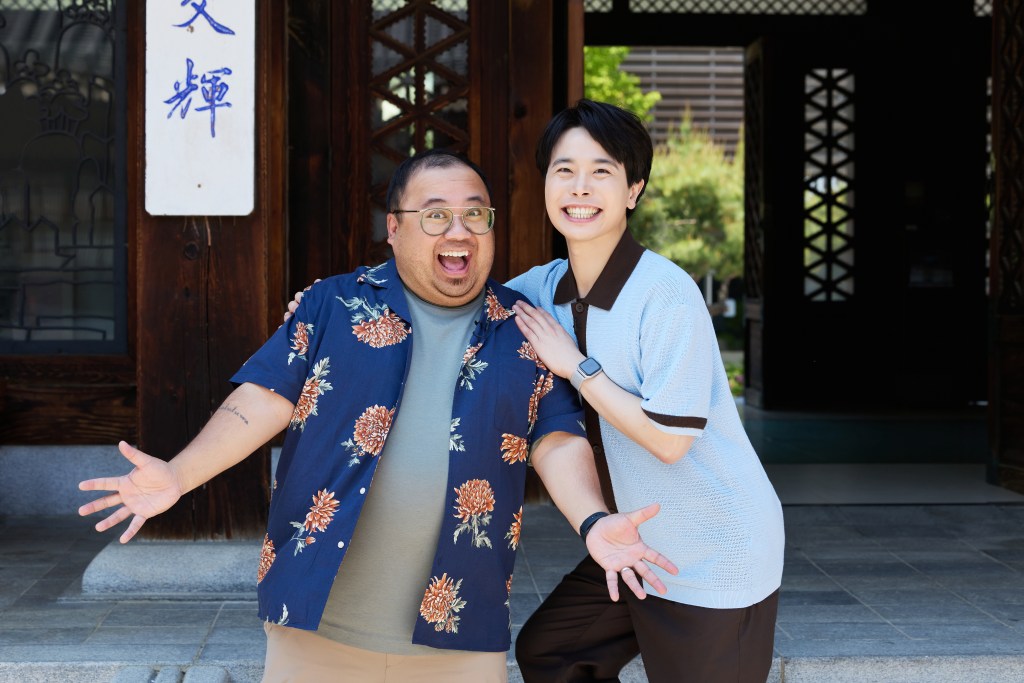
During your trip, you met Iago’s Japanese & Korean counterparts. Were there any surprising parallels in how you all bring Iago’s character to life?
DDR: Yeah! I think the main [understanding] with Iago is that he has “main character energy.” If Iago was a few inches taller, he’d try to take over Jafar. We all operate on that same notion. Even across the world, minorities are seen as sidekicks, right? Like, in Spiderman, Ned is Filipino. So for a Disney villain, [Iago] has that “main character energy.”
Similarly, we pull from our cultural experiences to bring our physical world to Iago. We can’t fly on stage and we’re not parrots anymore [like in the film], so there’s an interpretation of what that physical comedy is, culturally.
Jeong, who plays Iago in Korea, has this really low profile—he gets all the way down to the floor, kind of squatting, making himself really tiny. Whereas Kenichi-san in Tokyo is more still, a kind of reservedness. But when he bursts out, there’s a lot of dynamic movements that I would equate to seeing in Kabuki theater, where everything’s really dynamic and “oversized” when it becomes dramatic. I do the same thing here—my inspirations are Disney cartoons and Looney Tunes, like “how can I move my body in a way that’s relatable to American pop culture?”
That’s so cool! It’s fun to see how each country’s unique performing arts culture informs their modern adaptations.
DDR: Absolutely! When I told Kenichi-san I was going to see Kabuki theater, he said, “It’s almost like going to a baseball game in America, right?” They’re a long cultural pastime. It’s okay to get up and move around. People literally started pulling out bento boxes and sharing as a community, and I thought that was so cool! Besides sporting events, we don’t have that cultural setting in America. Even when I saw Aladdin in Japan, the audiences were a little more reserved, but curtain call goes on forever and ever and ever, because people are so thankful for these performances.
Speaking of community—dance and humour are these universal elements of theater that connect audiences around the world. There are so many iconic Easter Eggs and comedic beats in Aladdin. Did you notice how those references translate across culture?
DDR: When the show’s translated, they try to find cultural references for the country. On Broadway, when Prince Abdullah exclaims, “I can’t marry Jasmine!” and the Sultan tries chasing after him, Jafar and I go, “He said good day!” In Tokyo, they say, “Game over” in English, and it got a big laugh—that’s how the joke is translated. Like in video games, when the big screen says “Game Over.”
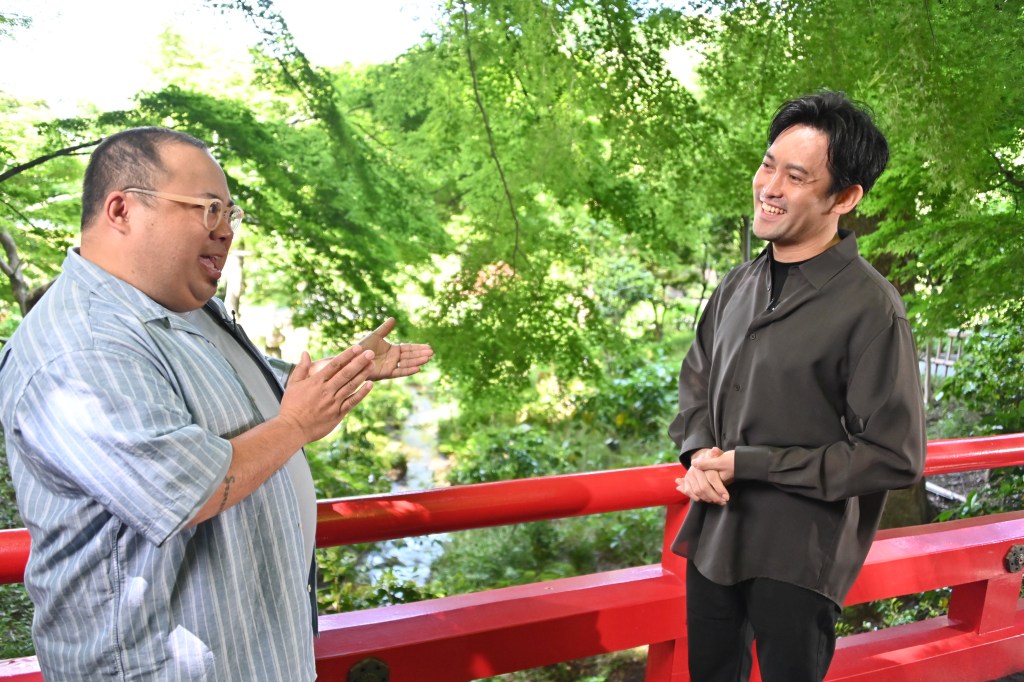
Wow! It must have been a trip with a lot of personal meaning, too—looking back on your own career, are there any ways your own cultural upbringing influenced your relationship with your craft as an artist?
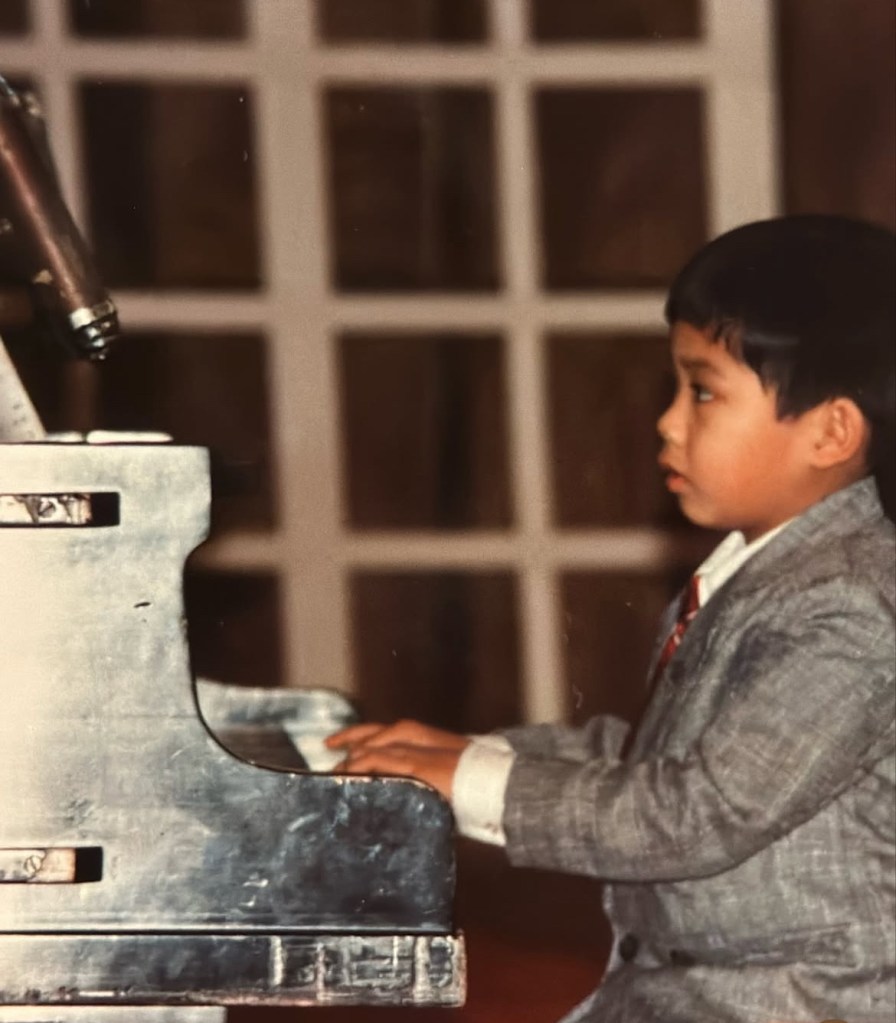
DDR: Yeah, absolutely! Growing up Filipino-American in Seattle, which is a very diverse city, I think my physical cultural identity never really came into play. I had opportunities to play all these different characters based on children’s books at the Seattle Children’s Theater. Physically, I did not look like those characters, but the kids never questioned it for a second. They were like, “He is Josh Primm from Lyle, Lyle, Crocodile. He’s Harold from Harold and the Purple Crayon.”
I was able to incorporate my culture through physical movement and dance—using my body as another instrument for storytelling. I’d have basketball practice on Thursday nights, then on Friday nights we’d do Filipino folk dance at my school. My dad was one of the founders of a cultural dance troupe in Seattle, so I had a cool balance of growing up with Filipino culture through food and song, while also having an American childhood.
There’s one dance called “duck walk,” and in that song the movement is very much, like, you’re telling the story of this little flock of ducks. So from a very early age I learned how to tell stories with my body. Because I found physical comedy as my wheelhouse [later on], I drew on those experiences of Filipino folk dance and incorporated them into storytelling in American theater.
These are very long answers. [Laughs]
I’m forgetting this is an interview! Speaking of bringing your body into this role, for the past 11 years, you’ve reimagined Iago beyond the animated version, creating the unforgettable presence we now see on stage! What was your process in shaping the character, and bringing his voice and personality to life?
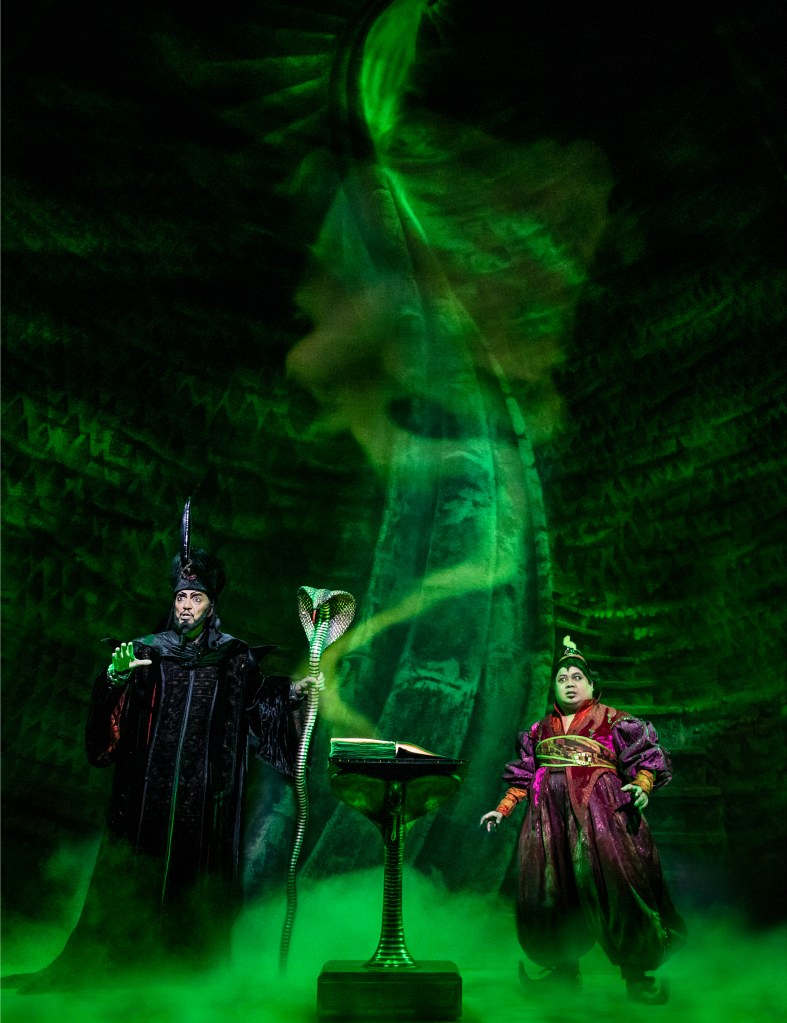
DDR: That’s such a great question! When I initially auditioned for [Aladdin], I auditioned for Babkak. That’s Aladdin’s friend in the green who loves food. So I did my entire callback and almost 2 weeks worth of auditions as Babkak. At the last second, Casey Nicholaw looked at me and said, “Can you look at the Iago stuff?” I took 20 minutes, went back into the room, and we had a great time. And I ended up getting Iago!
They gave me a lot of freedom, trusting me to play within the world of Agrabah and bring my own spin to Iago. When we were in Toronto for a pre-Broadway tryout, they were like, “We love what you’re doing, but we want to try something different—we want to bring a bit of the [film] Iago’s spirit to the stage.” And I was like, “I’m absolutely game.”
So we had a 4-hour rehearsal in the Ed Mirvish Theatre lobby, and I tried a brand new Iago in front of a full audience that night. We knew automatically what worked and what didn’t when we went back to New York for Broadway. I drew a lot on watching the film as a child! I like to say my evil laugh is an impression of Jonathan Freeman’s evil laugh—the original Jafar, and Jafar on Broadway. Kind of a weird little evil cycle of inspiration [laughs].
That’s so incredible! Beyond this role, you’ve had several exciting milestones, from being part of the cast of SAG-nominated Only Murders in the Building to voicing characters in Hazbin Hotel and Helluva Boss. What does it mean to you to represent the AAPI community through such diverse projects?
DDR: It means a lot. I don’t say that flippantly. I’ve been so lucky throughout my career to be a part of these diverse projects, and on top of that, being able to represent the Filipino, Filipino-American, and AAPI communities in mainstream American entertainment. It’s kind of a dream come true, right? We want our entertainment to reflect society. So when people come to Aladdin, they see such a diverse cast.
And maybe there’s one Asian kid in the audience who loves theater, but their parents are immigrants who are like, “We think you’re talented, but we want you to get a degree.” We’ve all had that conversation! If I could reach that one kid, I feel like I’ve done my job. It’s what Lea Salonga was to me. I grew up listening to her music, so when I found out Lea Salonga was the singing voice of Princess Jasmine—and the original Kim in Miss Saigon—that blew my mind. I was like, “I’m her! We share the same blood, the same culture, I could do this as well.” It helped me dream big.
I hope that I could give somebody a little more confidence or courage to pursue that dream, being a minority in American mainstream entertainment.
“It’s kind of a dream come true, right? We want our entertainment to reflect society. So when people come to Aladdin, they see such a diverse cast.”
Don Darryl Rivera (Iago, Aladdin)
You really are continuing that legacy, playing the roles that child you wished he had on screen.
DDR: He’d never believe me if I told him!
Last time, you told us you grew up singing along to the Aladdin cassette tape. I think Southeast Asian culture really embraces music and oral storytelling—are there any family traditions, like karaoke, or childhood memories that you think pushed your path into theater?
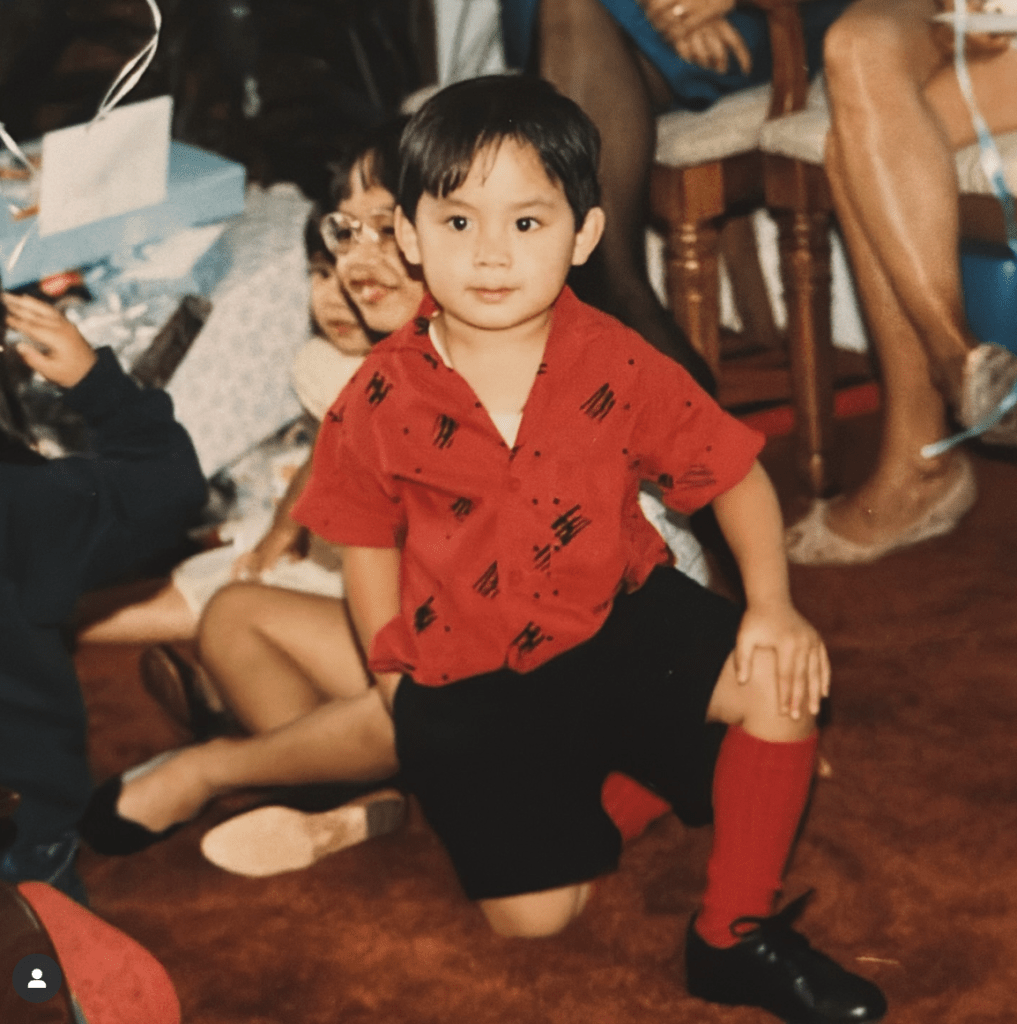
DDR: Oh yeah! I always grew up performing, singing at birthday parties and functions. We’d have karaoke, but back then we called them “minus one machines” —because you could turn off the vocal track and sing along with a little microphone. Growing up singing—that’s part of the reason why my dad felt inspired to start a Filipino folk dance group at my school. My ninong had one of the most popular Filipino folk dance groups in the Pacific Northwest, and they’d perform everywhere! Storytelling is a big part of Filipino culture—you gather around the food, and tell stories of the past or funny jokes. I have an aunt who tells wonderful jokes, and she’s always the life of the party.
I think my parents saw the potential, and saw that I was not afraid to fail, or fail forward. I’m really thankful for that.
Incredible. They saw that you were the diamond in the rough all along!
DDR: Aha! Good tie back. Love that!

As Asian Americans, we all know family is important to our community. Aladdin is often kids’ first Broadway experience. Do you have memorable interactions with other families that made you appreciate the impact you leave with them?
DDR: All the time! When I get to sign autographs at the stage door, I’ll often interact with Filipino families, and they tell me they’re proud of me. That’s the ultimate Filipino compliment, right? They tell me they’re proud of me, because I’m representing the culture, and that always hits me right in the heartstrings. To think that maybe I’m helping a Filipino kid, or any kid, really, become the future of American musical theater—or be seasoned theatergoers to keep the industry buoyant and alive.
Since we first opened until now, our houses are always full, and our audiences are always so diverse. We have tourists from all over the world coming to see our show. A room full of people who may not share the same cultural experiences, or even the same language…to get them to all laugh together, I feel so lucky to do that.
Broadway has a huge influence on its global counterparts in the theater world. After your own travels, though, is there any element of Japanese or Korean stage culture that you think Broadway could take inspiration from?
DDR: Ooh, that’s a great question—when I first saw Aladdin in Korea and Japan, there was one moment in particular that stood out to me. After “A Million Miles Away,” which Aladdin and Jasmine share while first falling in love. On Broadway, once the button happens at the end of the song, people start clapping. In Japan and Korea, you could literally feel people scoot to the edge of their chair and wait for the next moment. They don’t clap. They’re letting the moment breathe, like, “we are ready for whatever story you’re about to tell us.”
I would love to find a way to recreate that feeling inside of the American art form. We see that with classical music, where people won’t clap between movements. That was an experience I’d never felt as an audience member before, and I’d love for everyone to feel that way.
The air must be electric. Like everyone is tied together in that moment.
DDR: Yeah! You know, there was a study that says when people are watching something in a theater, their heartbeats actually start to sync up.
Very cool! Do you see these cross-cultural exchanges—collabs, adaptations—shaping the future of entertainment worldwide?
DDR: Absolutely. Hollywood has always been at the forefront of that. I feel like America shares movies globally, but we don’t get that from the other side—it’s very minimal. I’d love for more people to experience global films. It should be a global thing. I’d love for more cultural stories to happen everywhere. Right now, we have Maybe Happy Ending on Broadway. It’s a testament to how people are ready for those cultural experiences to happen in their own country.
I’m waiting for that homogenization to happen on Broadway. I think we’re almost on the threshold, but once we cross it, it’ll be really cool. Like I saw on my trip, there are so many things we can learn from everywhere, and we would be lucky to have those experiences.
Art is all about cross-influence and cross-inspiration! Is there anything you’re working on that we should look forward to?
After this, I actually have a self-tape to do! Actors in New York are always auditioning, and maybe at some point people will see me on another TV show, cartoon, or on the radio.
Right now, I’m thrilled to be making magic on Broadway.
This interview has been condensed and edited for clarity.
Watch Disney on Broadway’s exclusive AAHNPI Month performance, featuring Korean, Japanese, & Broadway cast members on Good Morning America here.
Photos courtesy of Disney Theatrical Group & DDR’s Instagram.
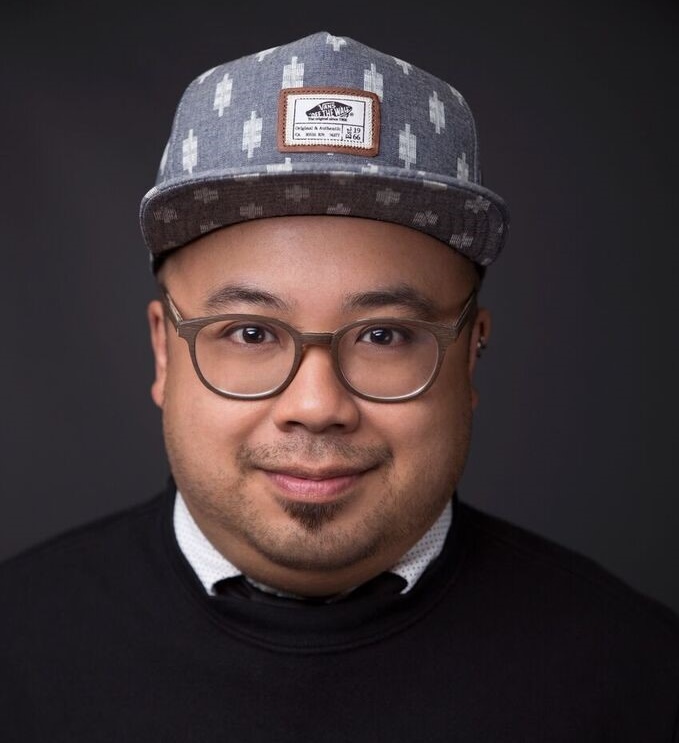
About Don Darryl Rivera (Iago), Original Broadway Company: Don Darryl has performed the role of Iago on Broadway, the First National Tour and on the West End! Theatre credits include: The Guthrie Theater, Shakespeare Theatre Company, Seattle Children’s Theatre, The 5th Avenue Theatre, and Children’s Theatre Company. TV credits include: “Only Murders in the Building,” “Let The Right One In” (Showtime), “Hazbin Hotel,” and “Helluva Boss.” Love to Eloise & Kate. Mabuhay!
 Generasian
0 comments on “Villain with a Visa: Aladdin’s Don Darryl Rivera on Cultural Legacy, Broadway Dreams, & Dancing His Way Through Asia”