
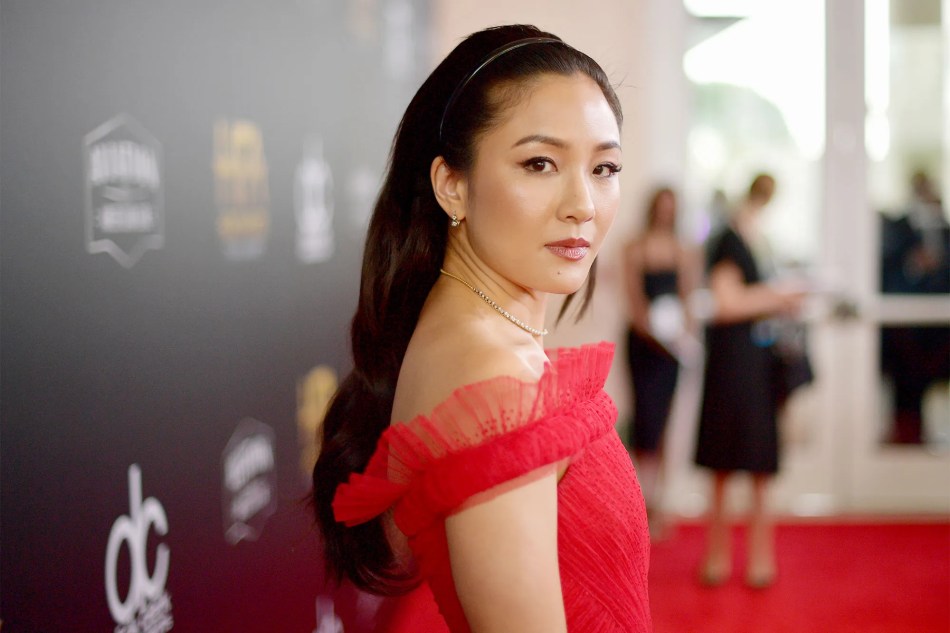
The journey to mainstream stardom required Constance Wu to make a scene, which came at a cost.
Constance Wu, born in Richmond, Virginia, to two Taiwanese parents, describes her childhood as carefree, adventurous, and filled with charming neighbors straight out of a storybook. Freshly baked goods seemed to be on the kitchen counter every week from a new neighbor, and she became a breadmaking master at her part-time job at the local bakery, all before finding success in acting.
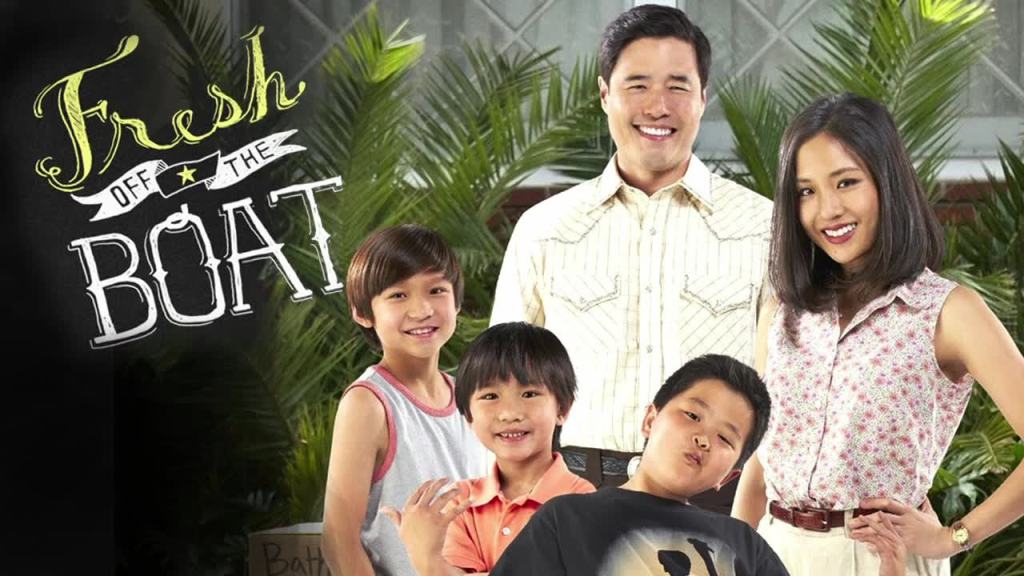
After waiting tables in New York during the early 2000s for 5 years, she moved to Los Angeles in hopes of landing a role. Wu found career momentum when she snagged her breakout role as the mother of the main character, Jessica Huang, in the 2015 TV series “Fresh Off the Boat.” This Asian-American sitcom, based on the memoir of chef Eddie Huang, which details the family’s move to Florida in the 90s from Taiwan, is one of the few Western TV shows that solely focus on a predominantly Asian cast. This placed everyone on the cast, especially Wu, as integral stars in the push for diversity in film and television.
“I was finally out of debt and had surplus money for the first time in my life. But even then, I refused to buy a new car,” she writes in her memoir.
While she auditioned for this role in the traditional way, there was an extra push from one of the producers on the show for her to star as one of the main characters. When Wu talks about this top producer, she never mentions his name; rather, she refers to him as M-. According to Wu, M- would constantly bring up the fact that Wu would be nowhere near as successful in the industry if it weren’t for him advocating for her in various roles.
This led to him feeling entitled to private photos of Wu, and her to say yes to every one of his demands, such as going to basketball games with him, being okay with him touching her thigh, and asking for selfies. All of this was happening behind the scenes of “Fresh Off the Boat,” a show otherwise heralded for diversity and representation. In other words, Wu didn’t want to mess with the image of the show, the image that the show indirectly put on her to be the Asian-American female representation that has been seemingly lacking in the industry thus far.
Growing up as an Asian-American, I always enjoyed “Fresh Off the Boat.” I mean, even the name of the show was a term used by many of us first-generation Americans to describe newly immigrated family members. FOBS: That’s what my siblings and I would call our family members who recently came from Bangladesh to America to start a new life. While that term does have negative and racial stereotypes connected to it, I saw the 2015 sitcom owning that name and giving it a new meaning.
“I’ve heard a lot of Asian actors say, ‘I refuse to play stereotypical roles. I want to choose roles that could be played by anyone.’ They say that “success” will be when our Asian-ness isn’t a part of the story, when we get cast in “non-stereotypical” roles. I do not subscribe to this idea of success. That career ethos, that desire to shut down Asian stereotypes, is a reaction to a Hollywood standard that was created by people who do not know us,” Wu writes.
I’ve always admired Wu for being the beautiful sitcom mom who slightly reminded me of my own. This subconscious Venn diagram viewers create in their head regarding characters on their screens often blurs the lines between what they actually know about the actor and the character they are playing—a dissonance that Wu has struggled with throughout her career, and Asian actresses before her know all too well.
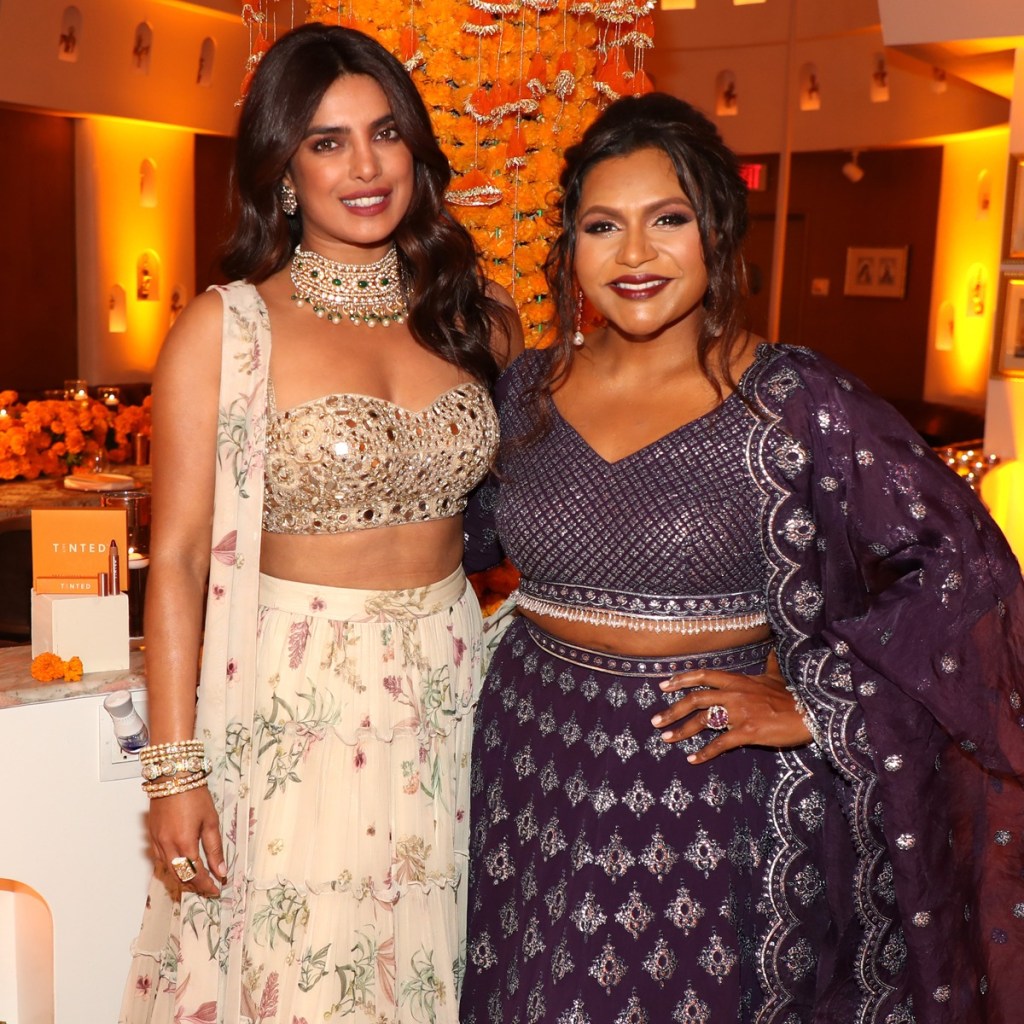
In the 2010s and onwards, we have seen a big push for diversity in mainstream films and TV shows. There are the Mindy Kalings, Priyanka Chopras, and Michelle Yeohs blazing their own trails, and Wu’s name is right amongst them.
But these Asian women in the entertainment industry are met with unfair standards and brutal criticism; oftentimes, they become the butt end of jokes on social media, just for being Asian in a space that has been occupied by white people.
With the spotlight on Wu, every decision, tweet, and word she said and didn’t say was spotlighted, criticized, but also revered; a weird combination of affection and jealousy, empathy and torment that women of color have to deal with being the first to do something.
Wu’s critics have called her ungrateful, rude, and manipulative throughout her career, which she explores in her memoir. In some parts, she takes accountability for acting abrasively on the set of “Fresh Off the Boat,” claiming that she wouldn’t even want to be her friend on set. Other times, she exposes the truth behind what fans of the beloved show and social media scrollers would not have known–throughout her time in the earlier seasons of the sitcom, a producer of the show—M- — was allegedly sexually harassing her.
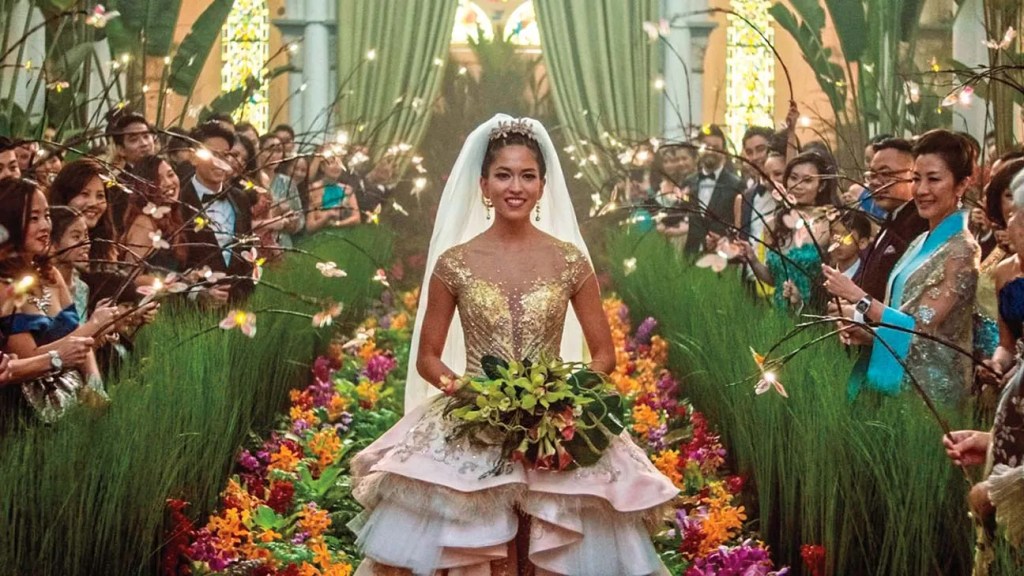
But Wu parlayed her small-screen fame into big-screen stardom—and, in the process, complicated the archetypal image of Asian women. This began with 2018’s “Crazy Rich Asians,” in which she played an economics professor who flies to Singapore with her boyfriend to attend a friend’s wedding, soon finding out how much of a crazy rich family her boyfriend comes from. Wu stars as a wide-eyed Asian-American girl thrust into the glamour and glitz of essentially Singaporean royalty, and kind of shares a similar outlook as the audience, baffled by it all.
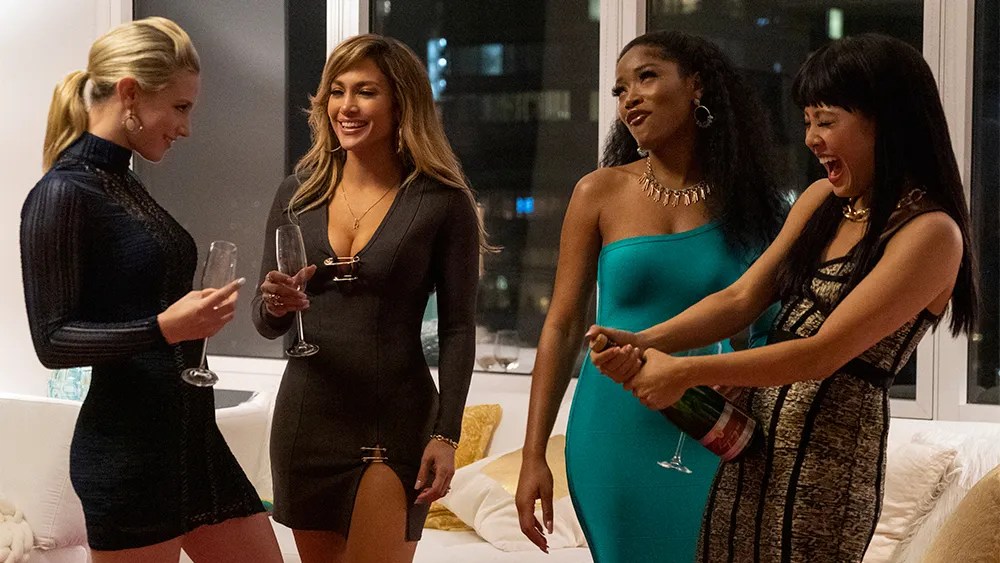
She followed this with “Hustlers” in 2019. In it, Wu showed the world she can be as dynamic as an actress if she wants, and when she wants. Going from playing a “stereotypical” role as an Asian Tiger mom to playing a stripper who is working to make ends meet to support her family was almost like whiplash for the general public. It’s as if the world expected her to always be the immigrant mother she played on a sitcom, and not a woman who has experience in theater. Maybe Wu was more than what the media thought she was.
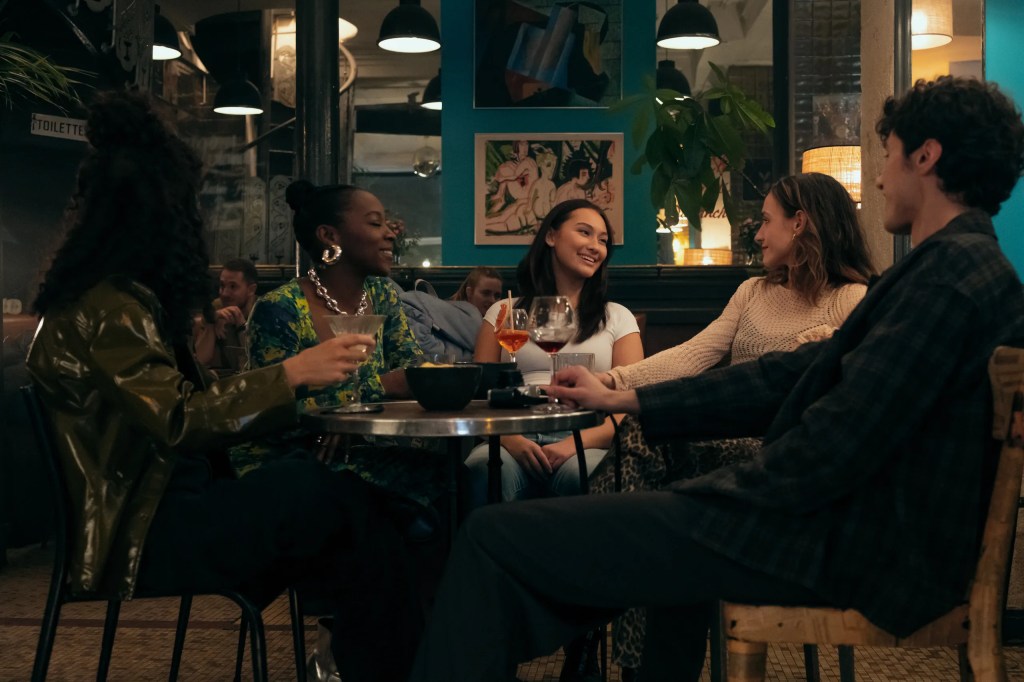
Despite Wu’s struggles to maintain the public’s affection, she has forged a path that other Asian actresses now walk. In the era of Gen Z actors flourishing right now, some have been able to escape the fate that Wu experienced early on in her career. Hollywood is striving for not only inclusive casting but also Asian actresses who get to be multidimensional and not seen as a lightning rod for representation. They can just exist. Gen Z’s Lola Tung, who is known for her role as Belly Conklin, a not-so-pretty-turned-pretty teenager in “The Summer I Turned Pretty,” is seen as one of Gen Z’s It girls. Her outfits, hair, accessories, and makeup have been a source of inspiration for girls on TikTok, and her being Asian-American only adds to her character and is not what fully defines her. Stars like Tung have been able to grasp onto their success and be the representation for younger people while playing roles that speak to them, regardless of whether they are stereotypes or not.
I see Wu as an Asian It Girl, a crazy rich Asian, and, in some ways, an Asian that I strive to be. Despite my being South Asian instead of East Asian like Wu, she still absolutely mesmerized me and feels so personal to me. She’s like the one older cousin you see when you’re growing up and think is the coolest ever, and you can’t wait to grow up one day and be like her: sassy, rich, kind, sensible, dramatic, talented, and all. The truth about Constance Wu is that she is just like all of us. In our darkest moments and proudest scenes of our lives, she is just ultra-highlighted for being one of the first Asian-American women in our spaces, and we need to let her make a scene.
From one Asian-American woman to another, I understand Wu. I am her in so many areas of my life. Being expected to be the absolute form of representation for your people since you are one of the first to be in a predominantly homogenous industry makes women of color seem more aggressive, ungrateful, and rude when they make mistakes, don’t make mistakes, speak out, or don’t speak out. But we’re tired of it. Don’t tell us what to do. Don’t tell Constance Wu what to do.
 Generasian
0 comments on “Don’t tell Constance Wu what to do”