
Act 1
My most consistent memory of Shanghai has always been watching the foggy gray sky roll by the car window as we descended from the Pudong airport, like peering into another world.
To get to school each morning, a small bus would drive by my neighborhood to bring my brother and I, along with the other kids in Puxi, across the Huangpu River to Pudong. Before class every morning, we’d stand on the field for tǐ cāo (morning stretches).
On weekends, we’d wake up early to go to the market for groceries, then grab a breakfast assortment of fried dough, soy milk, meat and veggie buns, and tea eggs. Every month, we’d visit the local mall and sit through several hours of carts rolling by and adults chatting over tea at dim sum, then convince them to buy us boba while they shopped. Humid evenings were spent playing cards or mahjong, then meandering the streets, stopping at bookstores to peruse or dessert shops for yè xiāo (midnight snack).
During the summers, my uncle, a university soccer coach, would spray us with huā lù shuǐ (bug repellent) then send us to run laps or play badminton inside the neighborhood. To cool off afterwards, we’d march to the nearest convenience store, often a quán jiā (Family Mart), to buy yogurt drinks and green bean popsicles.


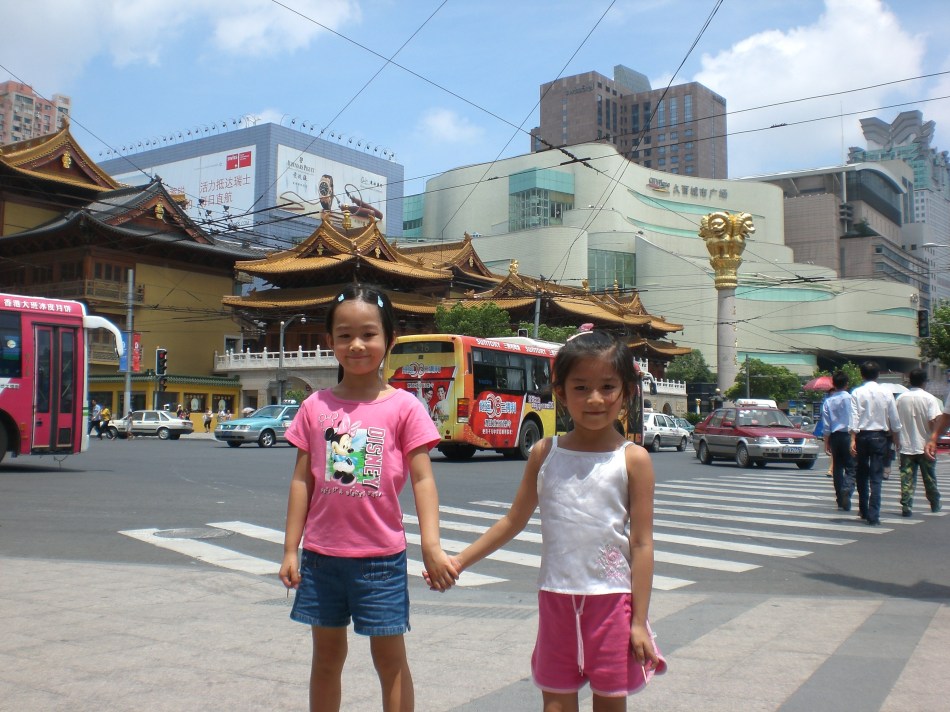
(Right) My cousin and I standing in front of the famous Jing An Temple and Jiu Guang Mall.
I recall the rhythms of life in Shanghai, but much of the specifics have since faded. Every now and then, I shake the snow globe and peer at the frozen scenes.
Act 2
They say it takes a day to recover for every hour or time zone crossed. California and Shanghai have a 15-hour time difference, which means it would take approximately two weeks to fully adjust to local time. In the meantime, most people experience symptoms of jet lag, like trouble sleeping through the night, a disrupted appetite, and difficulty concentrating or keeping up. As the days go on, the physical symptoms dissipate, but the deeper cultural disconnects of returning to a foreign country begin to surface.
Soon after my brother was born, my parents moved us back to Asia for work and to allow us to grow up closer to extended family. We spent time living in Guangzhou and Hong Kong (very briefly), but my memories of Shanghai remain the most visceral, likely because that’s the age when I really start to gain consciousness of the world around me. After we returned to the States and settled in the Bay Area, we’d visit Shanghai every other summer to spend time with my mom’s family.
Navigating the city, a place I once called home, with my middle school Chinese was definitely not impossible, but it proved more uncomfortable than I’d previously remembered. As a child, we were coddled by a wide array of relatives, who set the itinerary and coordinated transport, helping us order food, taking us to different sites, all to make our visits seamless and enjoyable. Stepping out into the city for the very first time, well-equipped with my aunt’s old cell phone already set up with the avengers of Bǎidù dìtú (Baidu Maps), Dīdī, Zhīfùbǎo (Alipay), and Wēixìn zhīfù (Wechat Pay), I was still intimidated to call a cab, navigate the metro lines, or even order at a restaurant by myself. I found myself far more shy and anxious. Now that I was old enough, I was granted the privilege of wandering Shanghai alone, but it also put everything I thought I knew to the test. Maybe I lacked the brazen confidence I once had as a kid, but I was suddenly acutely aware of how little I truly understood and had context for.
Shanghai has one of the world’s most intricate metro systems. In under two hours, you can get from one end of the massive city to the other. During my last few visits, I stayed with my aunt’s family in a more suburban and residential area called Jiading district, on the outskirts of the city. My aunt explained that to get into the city center, I would either have to take the local bus or call a taxi to the metro stop, then take the metro line 11, which she also dubbed the gōng mín xiàn (worker line) because it was a popular commuter line.
“11. Red line. Last stop Shanghai Disney.” repeated in my head every time I entered the metro stop.
Little markers like these seemed silly, almost as if you were telling a child directions. But they became a north star when I was unsure if I had gotten on the right train, especially because this metro line forked into two residential neighborhoods.
The first time I called a Dīdī (a ride-hailing app similar to Uber) by myself to the metro station, I triple checked the address with my aunt, then asked her to write down our home address in the notes app. When the taxi arrived, I, by habit, opened the door and greeted the driver with “hello”. He, was confused, of course, but then asked for my confirmation code, typically the last four digits of the rider’s number. I fumbled through my new phone to find my new Chinese number, as I had not yet memorized it. Despite the flaring July heat, I found myself flushing beet red during these tiny, awkward moments, acutely aware of every faux pas. Every day, I quietly worried about how I was being perceived when struggling with seemingly basic tasks, especially because I blended in with the locals when one didn’t look too closely. Amidst the commuters packed in the train cars, I found solace as just another dot in this intricate galaxy, wondering if this is what my life would’ve looked like if my parents had never moved us back to the States.
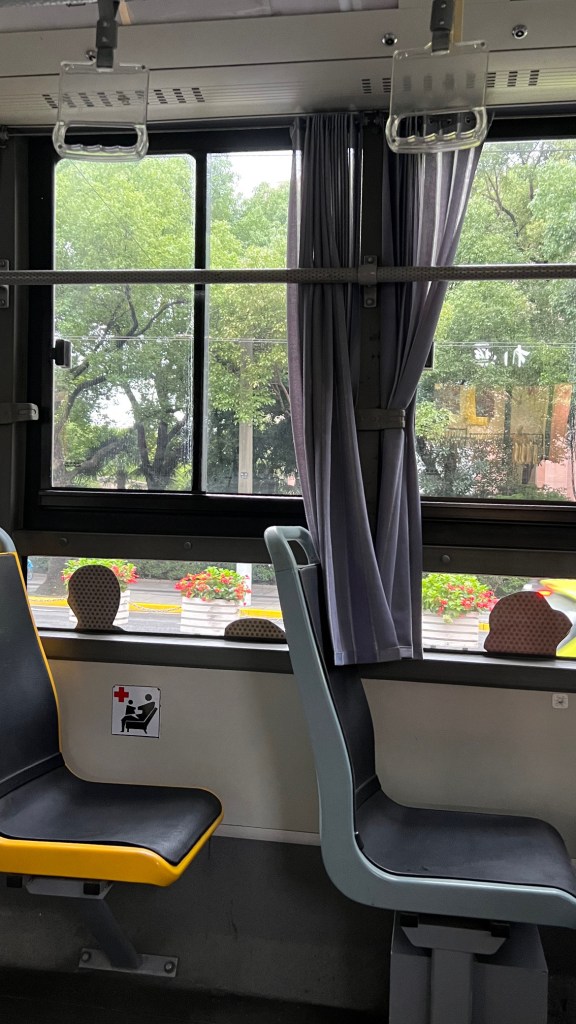
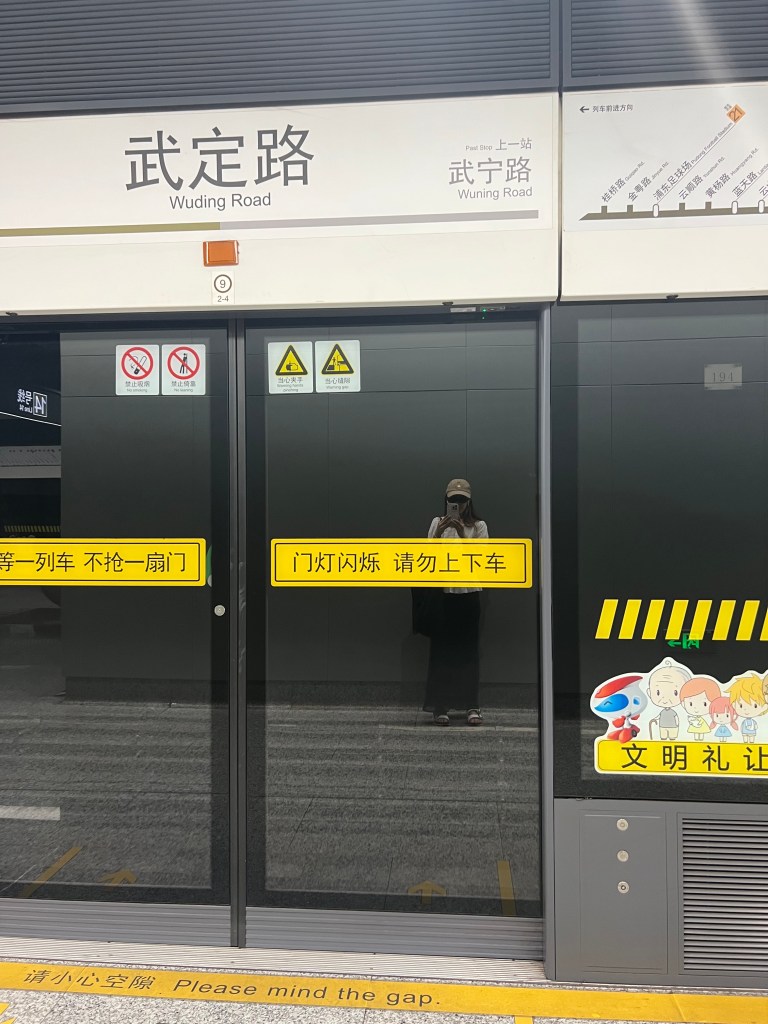
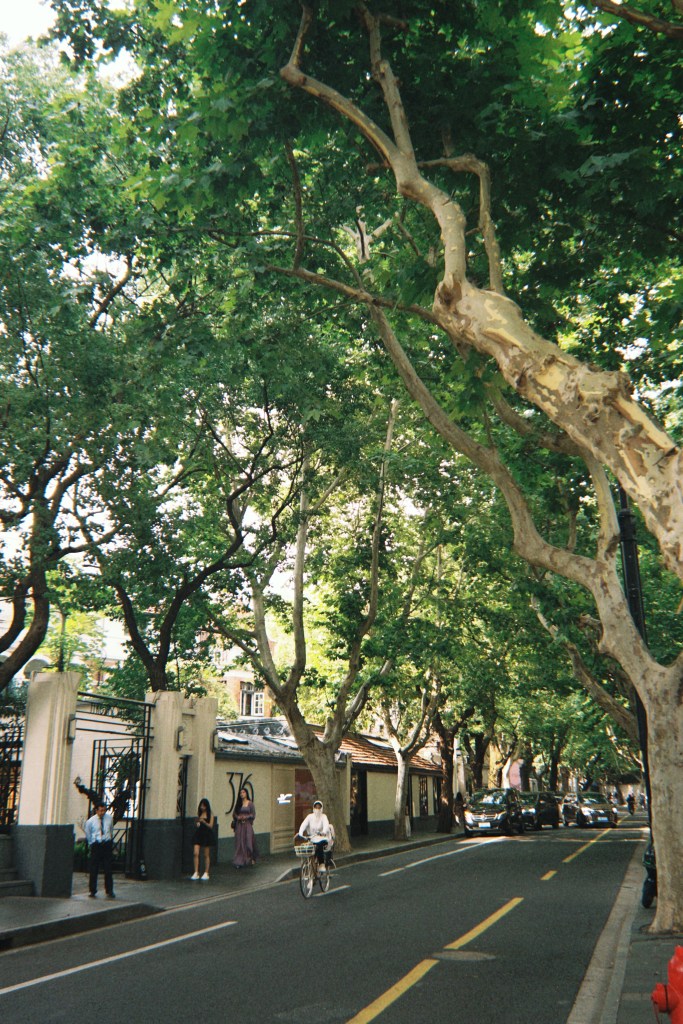
Now, this problem may feel isolated to when I’m in a foreign country, but truthfully, I still often take the subway in the wrong direction and miss the bus in New York. Driving everywhere in the Californian suburbs left me unfamiliar with how to navigate complex public transit systems. So I admit it wouldn’t be fair to blame my difficulty traversing the city on language barriers. My discomfort stemmed from the complex intersection of growing up and having to navigate different cultural norms.
When ordering a drink or dish where I wasn’t confident in my ability to read all the characters on the menu, I’d simply point and ask for “zhe ge” (this one). Photos and Google Translate became my go-tos for double-checking my informed guesses. Often, the servers would repeat the item back to me to make sure, as if to teach me what I was trying to order. Sometimes, when they took me for another local customer, they would speak extremely quickly. Despite knowing the language, my overwhelmed brain would sometimes filter out the information when I was caught off guard, believing it could not process the words. In these moments, I desired nothing more than to blend in. However, China has much more of an attentive customer service culture where sales associates would often strike up a conversation and check in on you routinely as you browse a store. When trying services like getting a manicure or facial for the first time, I was unsure of how much to talk or whether it was customary to tip. I quickly learned that before ordering anything or paying for a service or restaurant, there were apps to check for deals and recommendations like dàzhòng diǎnpíng (think Yelp and Groupon’s love child).
When you find yourself suddenly getting sleepy during the day, you lose the ability to function as you normally would. Routine tasks are not impossible or even difficult, but the sudden change in time zones can make the effort feel drastic. With grace and time, the transition can be subtle. Maybe the discomfort is simply the price you pay for calling multiple places home, and for the privilege of traveling between them.
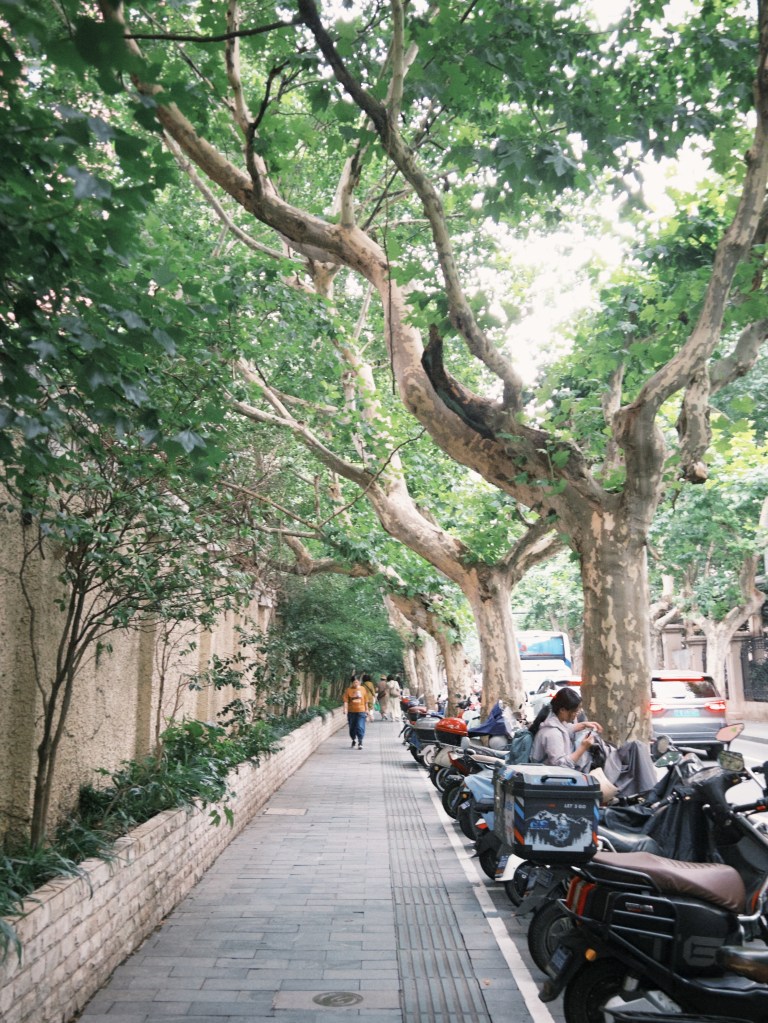
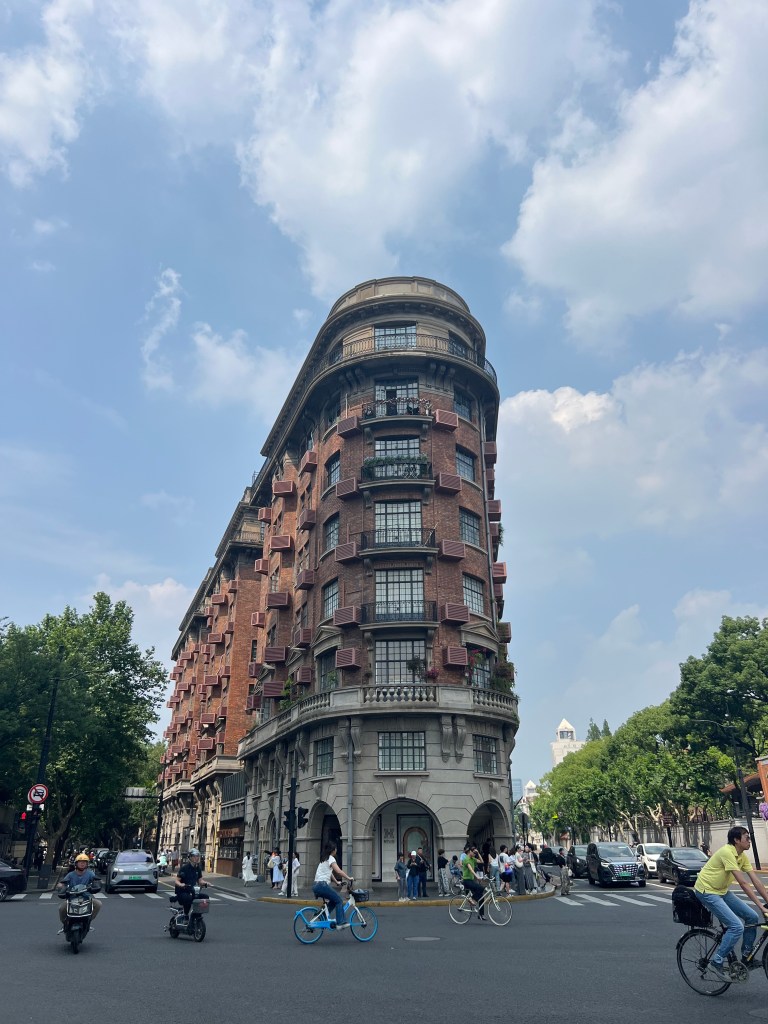
(CENTER) The famous Wu Kang building.
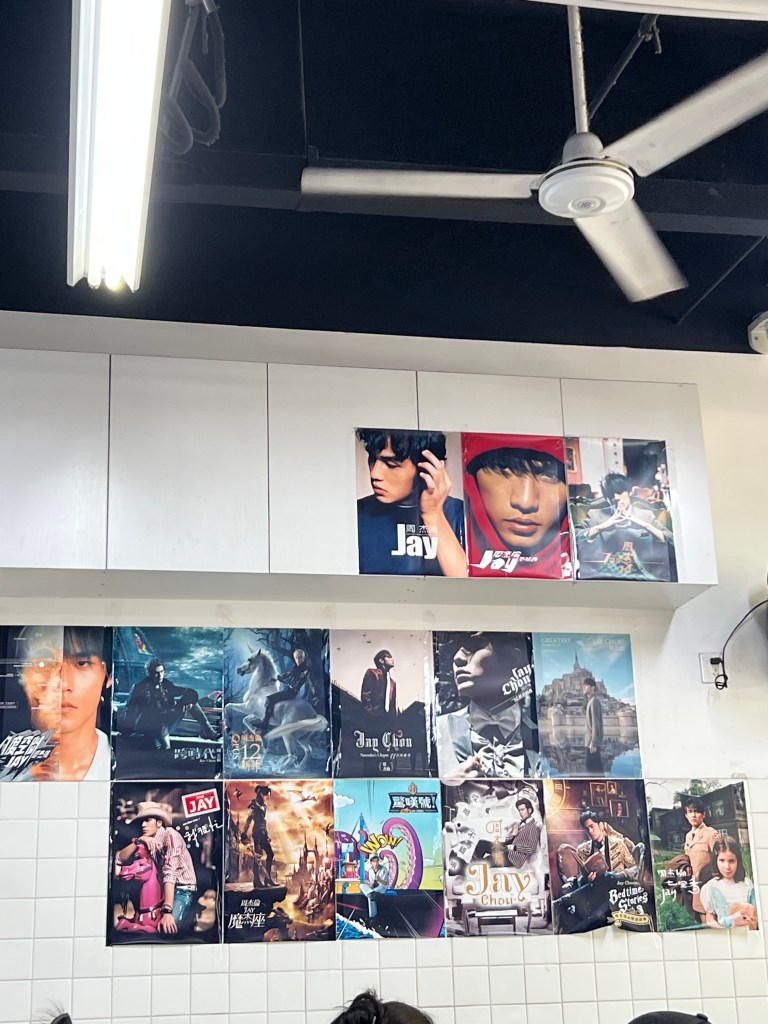
(RIGHT) The walls of a popular local noodle joint are covered with Jay Chou posters.
When we lived in Asia, my mom was essentially nocturnal because her remote job was stationed on the West Coast, meaning she’d work each day on Pacific Standard Time. Integrating into daily life became far more difficult when her time and attention were constantly split between two corners of the world. On a much smaller scale, I experienced this reality as my remote internship for the summer continued into the trip. Working in a different time zone kept me tethered to my old routines and a world beyond the one I wanted to be immersed in. Moreover, it was strange to spend half of the waking day disconnected from my sleeping friends and family back home. At the same time, I found the silence oddly calming, forcing me to be more present by myself.
I’ve been extremely lucky to grow up in a predominantly Asian area, where being Chinese was the norm and our customs and food were widely celebrated. So as an American Born Chinese (ABC), I would be considered relatively in touch with my culture, with my knowledge of 2000s Chinese TV shows and music, woven throughout my childhood summer visits and family influences. I’d often spend evenings watching historical palace dramas like Zhēnhuán chuán (Empresses in the Palace) with my grandma, and listen to my mom’s endless Zhōujiélún (Jay Chou) CDs on long road trips. My cousins introduced us to popular games like Mó’ěr zhuāngyuán (Legend of the Moles), similar to Club Penguin, and Sānguóshā (Three Kingdoms Kill), a complex card game utilizing historical characters from the Three Kingdoms Period. One summer, against the better judgment of our parents, my cousin and I even attempted to submit an application for our aunt to be on the ridiculous yet wildly popular dating show Fēichéngwùrǎo (If You Are the One). As a kid, it felt far easier to pick up whatever was trendy, because I would simply watch and play them, existing within the culture without even realizing. But being back in China, strolling past billboards of celebrities and hearing music I didn’t recognize, made me self-conscious of how foggy and outdated my connection to my culture really was now.
As I wandered the streets of Shanghai, I found that the city had transformed dramatically in the four years since I had last visited. Maybe my world had also grown larger as I could go farther than walking distance on my own, and social media like Tiktok and xiǎo hóng shū (Red Note) now offer detailed travel itineraries highlighting all the hottest attractions. The tiny mom and pop stationery stores I’d frequent with my cousin and brother—clutching fistfuls of cash in our colorful plastic coin purses for trading cards and sparkly pens—had long since shuttered. In fact, most stores have followed the digital revolution, transitioning to online payments instead of cash. My childhood malls, Jiǔ guāng and 886, were now considered relics that many frequented more as a transit stop, as newer, sleeker malls sprouted in the area competing for customers’ attentions. My favorite málà tàng spots by my aunt’s old day care center have since disappeared, but somehow the poorly rated American burger joint, The Fat Cow, has survived the test of time and increasing rent.
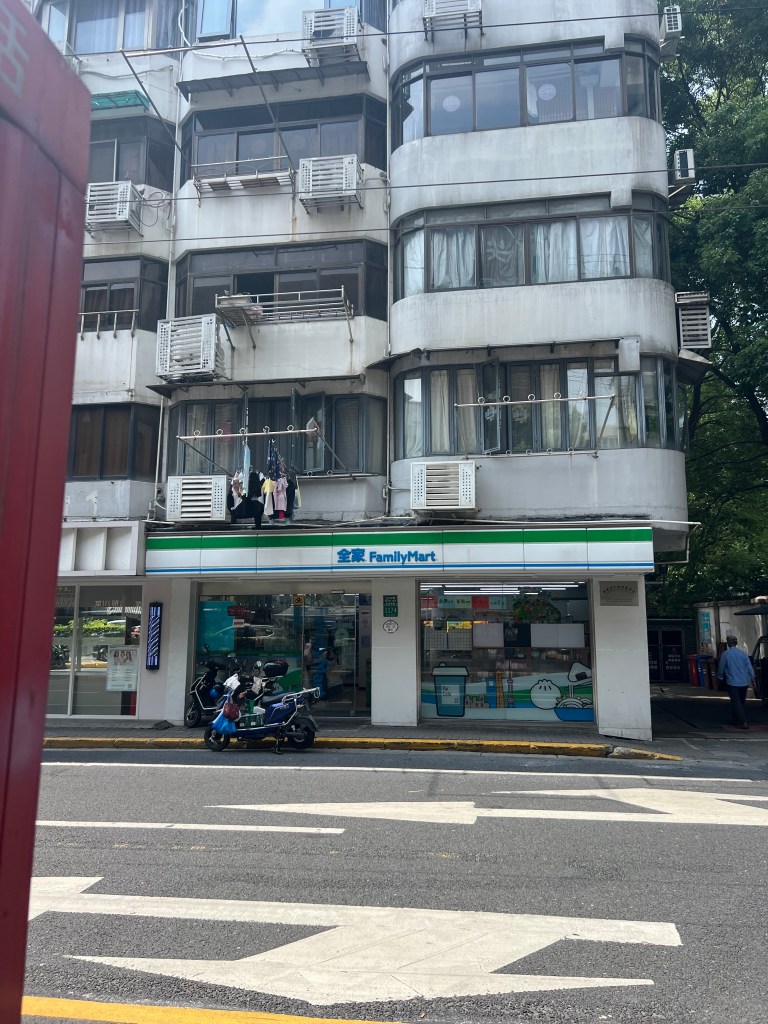

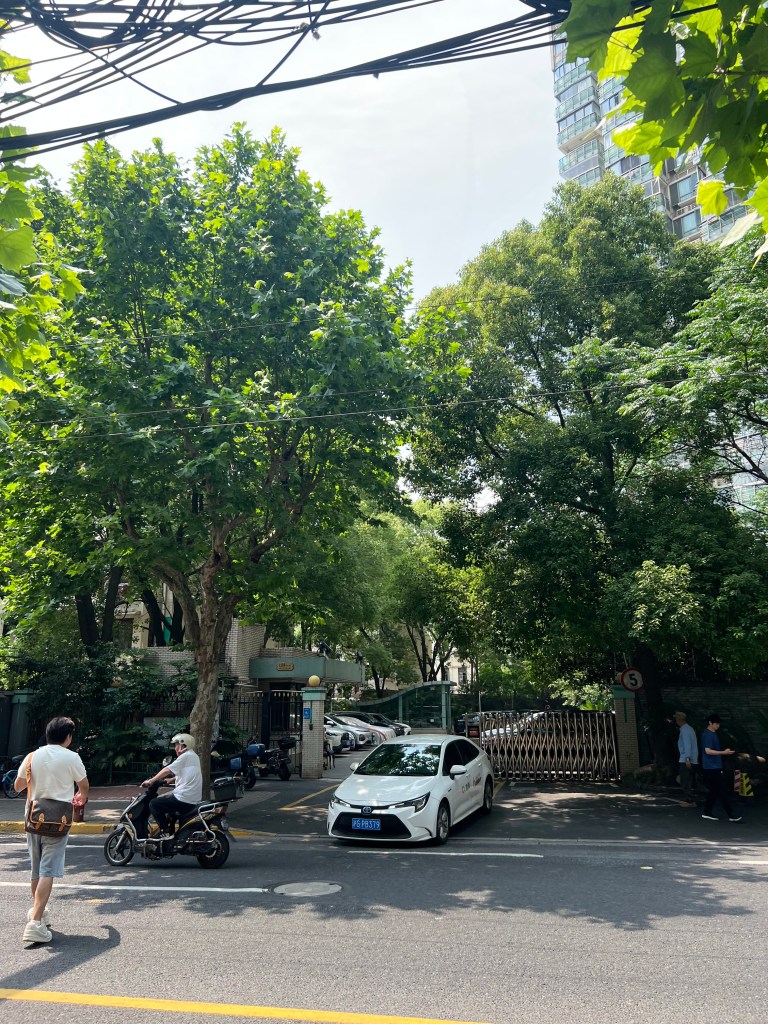
(CENTER) An apartment building in my aunt’s neighborhood. The windows always have clothes drying by them.
(RIGHT) The entrance to the residential neighborhood we used to frequent each summer.
This visit, I also met up with university friends who took me around the trendier parts of the city, acting as local tour guides. We roamed the popular streets where xiǎo hóng shū (Red Note) influencers snapped their pictures, strolling in and out of trendy cafes and shops with Western influences, and tried out some of the new milk tea spots that have since gained popularity. Suddenly, the city had become far more sophisticated than I had anticipated. So maybe it wasn’t just the fogginess of my memory or losing touch with the life I had remembered. The version of the city I had remembered so vividly no longer existed, leaving me to reconcile my deep nostalgia with this newfound discomfort. The city had grown up, and so had I.
Returning to the States after each visit was always an abrupt transition back to reality, as the slowness of the Californian suburbs greatly contrasted with the flashiness and quick pace of the metropolis. As a kid, I used to cry at the airport, mourning the carefreeness of my Shanghai summers and how it’d likely be another year or two before I would see my extended family again. On the ride back to the Pudong airport, watching the gray sky roll past the car window signaled a familiar goodbye.
With this newfound understanding of how to navigate this ever-evolving city and a greater openness to what it will become for me, each return is no longer a descent into the foggy past.
 Generasian
0 comments on “Jetlag: Foggy Shanghai”