
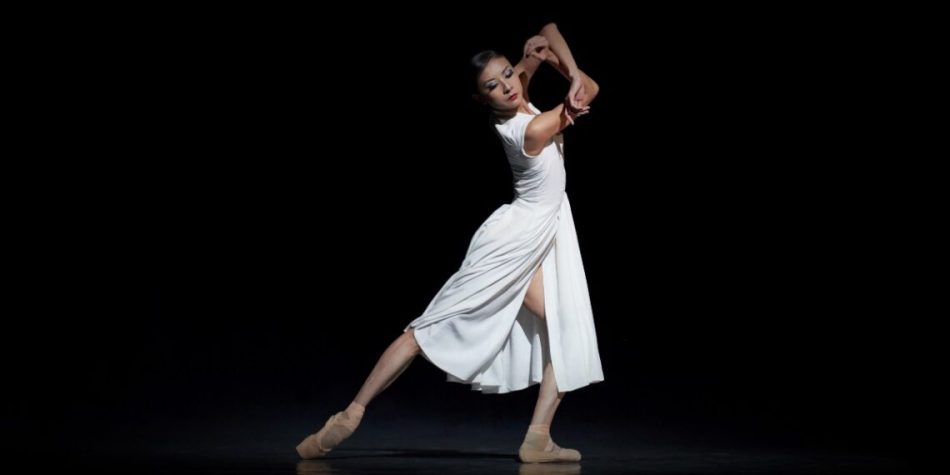
Growing up, I always found Asian-American representation in the creative space to be few and far between. Specifically, I have been dancing since the age of 6 and consider it to be a part of my identity. As a young ballerina, I did not have role models in the dance world that looked like me. The acclaimed ballet dancers I knew of possessed porcelain skin and Eurocentric features. Because of this, I often felt under-qualified and out of place. I did not feel like a real ballet dancer, and even if I tried, I felt that I could never achieve the accolades of the dancers I admired because I simply did not look like them. However, over the years the dance community has diversified and come a long way. More and more, in contemporary and traditional dance realms, AAPI talents have made a name for themselves. I’ve been so glad to follow the journeys of some breakthrough Asian creatives in this space. Here are a few of my favorites.
Sean Lew
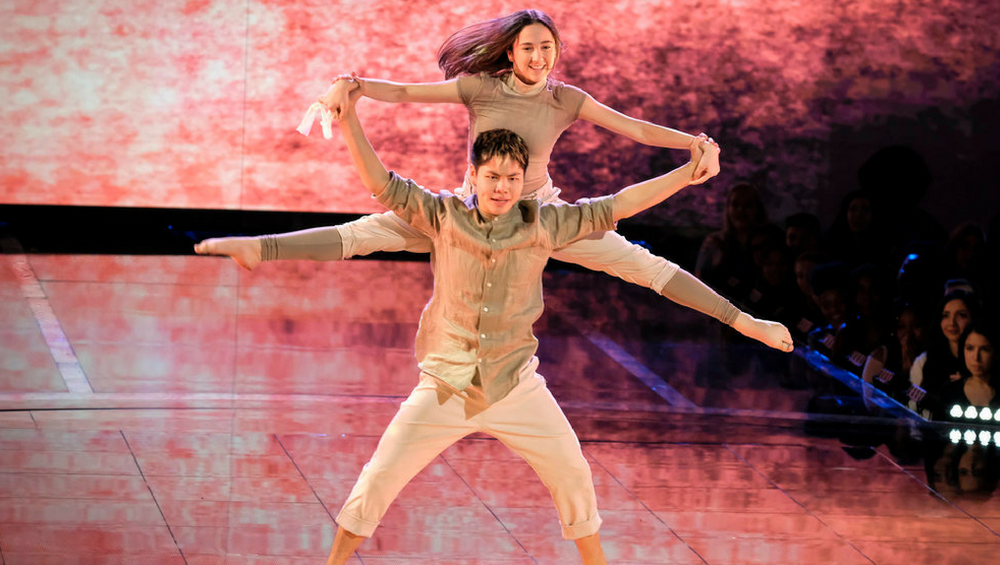
Sean Lew was one of those dancers that I grew up watching on YouTube at a very young age. I first recognized him in viral hip-hop videos when he was 10 or 11 years old (shoutout Matt Steffanina, if you know you know) and was so inspired by how determined and goal-oriented he was at that age. To be hustling a dance career so early is truly a feat, and his drive was without question.
Over the years, this Chinese, Japanese, and Mongolian talent only grew and grew, with a resume list more impressive than many adults in the industry, still at only 22 years of age. A majority of his notoriety today can be attributed to his performances on the popular dance competition show, World of Dance, with his dance partner Kaycee Rice. The synergy between the two is like no other, and they impressed many with their quality of movement, technical ability, and performance factor, including the judges, resulting in a stellar 2nd place placement in the show.
While their dancing abilities were hard to beat, Sean Lew blew up for his choreography throughout the show, which was simply in a league of its own. His creative choices broke boundaries in the dance world, and the video below should speak for itself.
Sean Lew has redefined boundaries in the dance world beyond just his talents. As a focal point of Asians breaking into the world of contemporary or fusion styles of dance, he has faced his own bout of struggles. He recalls the difficulty of defying stereotypes in Hollywood to Dance Spirit:
“In acting auditions, one room will be full of Asian boys who are dressed up very nerdy. Next door will be all handsome white guys for the lead role. It’s all part of the acting job, but when it keeps happening, I wonder what that says about how they see Asian boys. Why can’t we showcase power and strength in a way that’s not only through kung fu? Let us be the superheroes.”
And a superhero he became. Because of Sean Lew, other Asian creators have become more comfortable reaching for their dreams and pushing the boundaries of not only what it means to be creative, but what it means to be Asian. The ability to inspire a sense of community and belonging is nothing short of a superpower.
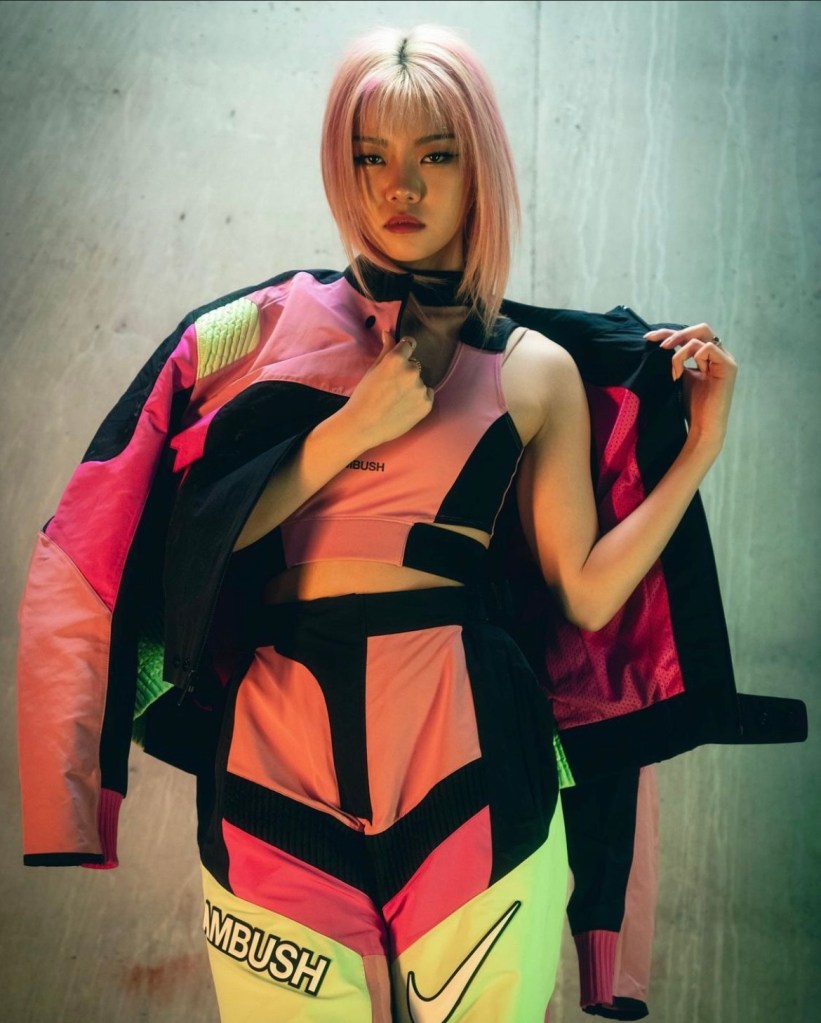
Bailey Sok
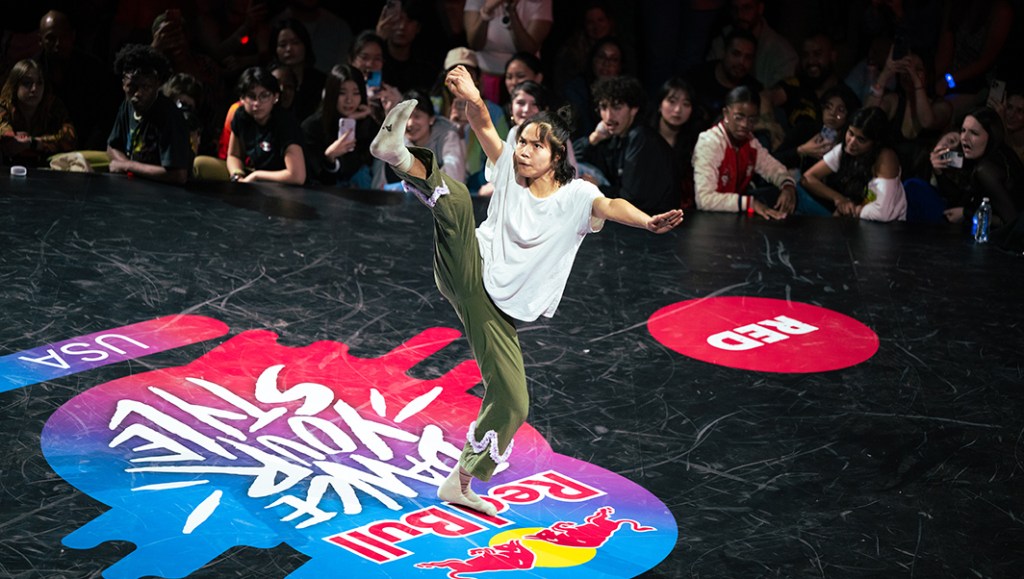
In the same vein as Sean Lew is Bailey Sok, a Korean dancer from LA. Bailey grew up in competition dance but rose to fame with videos of her taking hip-hop classes as a young dancer in Los Angeles. Like Sean, she went viral and started building her dance and choreography career.
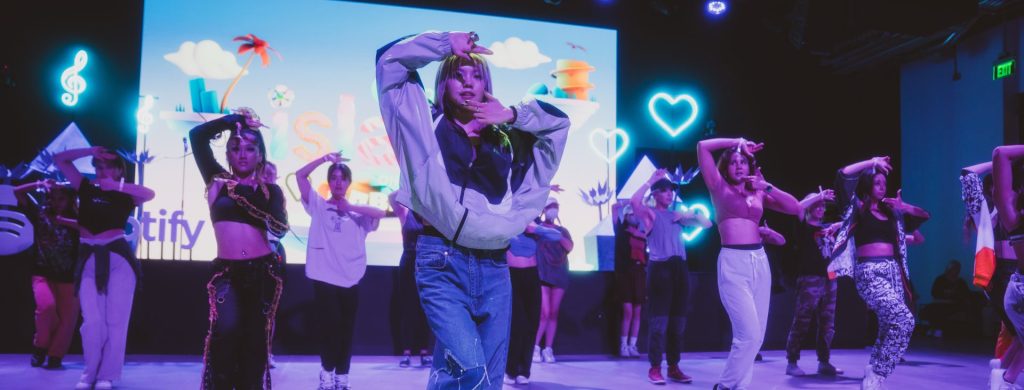
While she still has videos of her taking classes going around, her choreography has flourished and turned her into an international force. Bailey started working as a choreographer for many notable names in the K-pop industry, such as aespa, Red Velvet, Jimin from BTS, and Lisa from Blackpink. K-pop in and of itself has really promoted Asian representation in the singing and dancing industry, but Bailey Sok’s impressive work at a young age has made her one to watch.
Breaking into the world of being a renowned K-pop choreographer at such a young age may sound like a tall order to some of us, especially as a Westerner. Most choreographers of this genre are people who have been training for years in Korea. While Bailey’s new professional directions may be unfamiliar waters, she remains selfless and focused, committed to the vision. She tells Spotify,
“For K-Pop specifically, I’m learning to just remove myself from it, to do what I can to support the artist and whatever message and story they’re putting out to the world”.
This prodigy is recently also a rumored trainee for a new K-pop group under TheBlackLabel – there is no doubt she is a force to be reckoned with and beginning a new, successful chapter of her career.
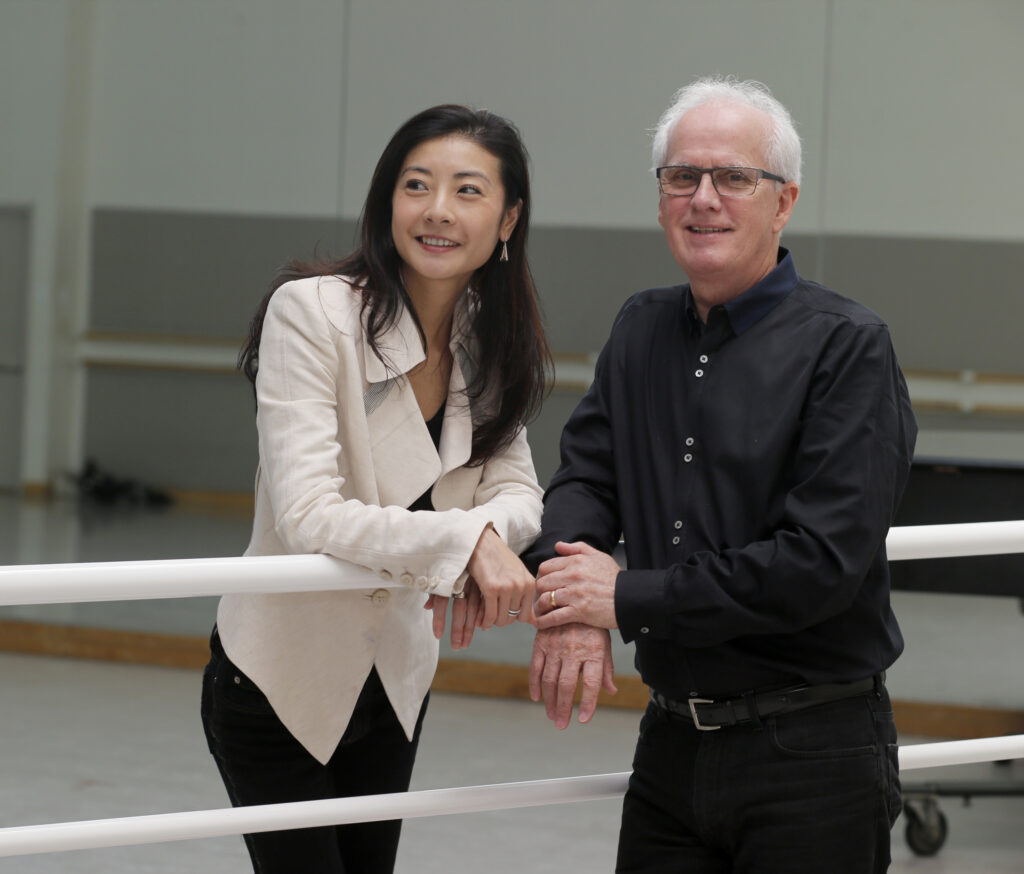
Yuan Yuan Tan
In my opinion, the lack of diversity in the world of ballet is even more striking than in other styles of dance. Being someone who grew up going to ballet school, I know the traditions of classical ballet have always been strict and rigid. Only in recent years has there been people of color who have been getting the recognition they deserve in this space. Yuan Yuan Tan is one of them, a principal dancer of San Francisco Ballet originally from Shanghai, China. Breaking into the world of Western ballet was difficult for her, and she reports to the SF Chronicle that in training, during international competitions,
“I lost sleep, I worried, I got skinny, because I was representing China. What if I do not get the medal? What if I come back to the country not winning?”
Yuan Yuan Tan was able to overcome these challenges and defy the expectations of doubtful ballet-goers and even her own father, who was worried about her career stability. She joined the San Francisco Ballet and earned her esteemed role as a principal dancer, which are the most advanced dancers in ballet companies. Her grace and flexibility invoked flawless remarks, and became so well-respected that the city of San Francisco created an annual “Yuan Yuan Tan Day”.
On February 14th, 2024, Yuan Yuan Tan reprised her role at the San Francisco Ballet with a final performance in “Marguerite and Armand”, and while she will be missed, she says,
“Born in the Year of the Dragon. I will be reborn, on to the next chapter of my life”.
Final Reflection
These are just some of the AAPI dancers that have paved a way for themselves and claimed their territory. While we recognize these talented individuals, it is imperative to maintain a continual desire for diversity. Representation can do so much to inspire young people, so let this post be your sign to support your AAPI friends in the arts, no matter what form of it they may engage in.

 Generasian
0 comments on “The Breakthrough of AAPI Representation in Western Dance Cultures”