
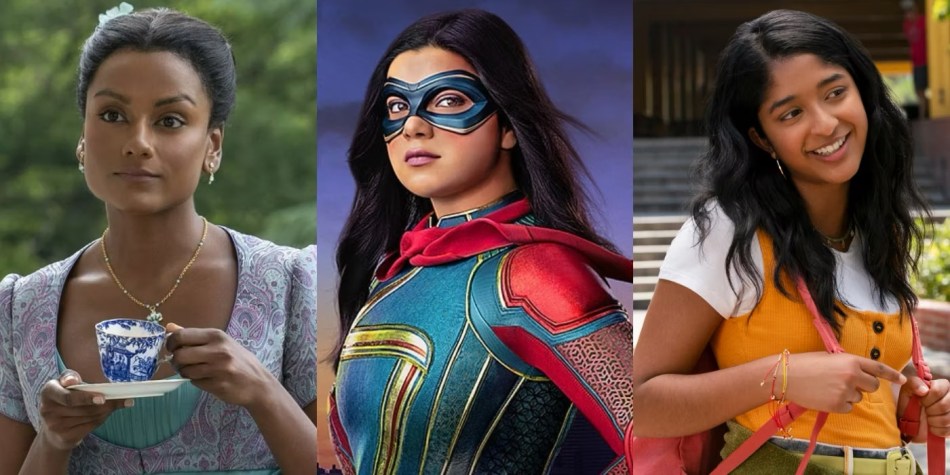
In the past few years, we have seen a rise of South Asian actresses in entertainment. With recent shows and movies displaying South Asian main characters, we have reached a new type of approach to inclusion and diversity, one that actually reflects real life, a livelihood of a brown girl that reflects most of us.
Rather than have stock characters that meet the criteria or the stereotypes regarding their race, we have fun, exciting, messy, and crazy South Asian characters, especially South Asian women, that represent what it’s actually like to be South Asian. Instead of being the smartest in the room, the dorkiest, the one who seemingly always smells the worst, South Asian characters are being written to just be normal.
Breaking stereotypes, South Asian girls can also be flawed, make mistakes, and not be the smartest person in the room. Instead, they can be the ones torn between men in a love triangle, or deciding whether or not to accept someone’s hand in marriage, you know, the stuff usually white people have to decide between.
A prime example of brown victory is within the Netflix hit show Bridgerton, a romantic period piece that takes place in the Regency era in England. Two of the main characters of Season 2 are the Sharma sisters, Kate and Edwina. Kate is set up to be with Lord Anthony Bridgerton, yet Edwina and Anthony end up falling for each other. As much as this is a messy storyline, this is exactly what we need to see on screens, South Asian women being in the middle of a love triangle that we typically see with white people. Seeing brown girls be messy and make mistakes validates that trait within me, and many other brown girls.

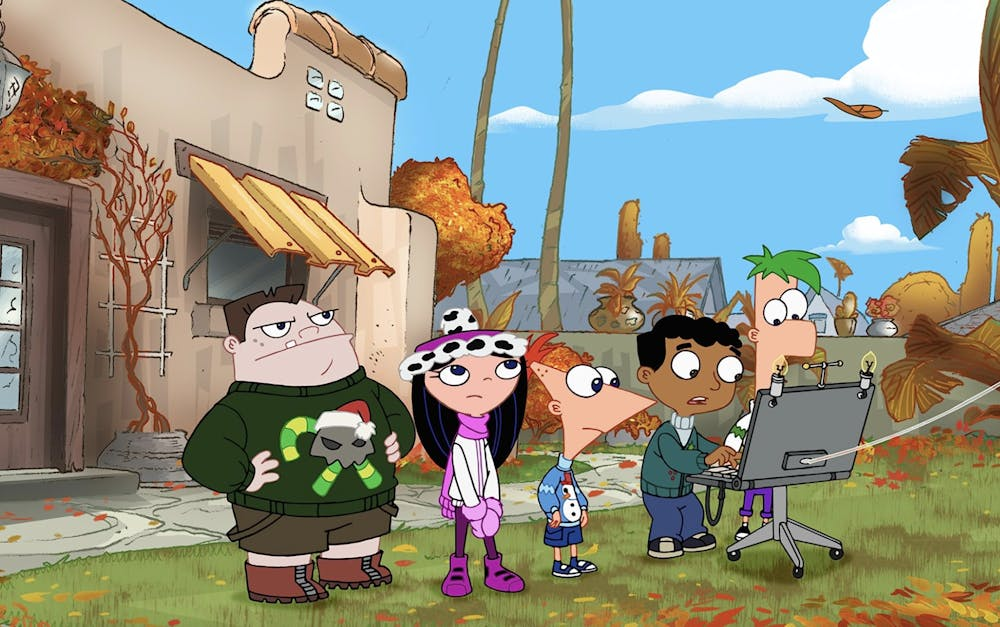
Oftentimes, in mainstream media, South Asian people are depicted as smart, nerdy, and socially awkward individuals. This trope has been overused and oversaturated in the shows and movies we watch. One prime example of this is within the character of Baljeet from the children’s show Phineas and Ferb. Carrying a thick Indian accent, seemingly the nerdy one of the group, even though Phineas and Ferb themselves are the ones who come up with the elaborate creations and devices, Baljeet is the character that is dorky and made fun of, despite his friends also being the same as him.
The truth is, seeing someone ordinary, someone “messy,” someone “chaotic,” is more relatable as a South Asian girl living in the 21st century in America, compared to the overused stereotype of being the smartest in the room. Brown girls don’t always have to be the smartest in the room, and it’s in fact, the opposite might be more empowering than you think.
Personally, I’ve always been someone who makes mistakes. I say the wrong punchline to a joke, I trip over my own two feet, and I laugh at the wrong time. Despite my going to NYU, I’m not the smartest in the room, and I own it. I love having representation in movies and shows that own narrative and validate my feelings of simply just being…a teenage girl.
These attributes can be seen in the latest version of Mean Girls which came out earlier this year. Avantika Vandanapu stars as Karen Shetty, one of The Plastics that is disty and oftentimes clueless. Having a brown girl being portrayed as the typical “dumb blonde” that we see within movies and TV shows completely changed the game, by transforming a trope that is typically reserved for white people now been catalyzed to exemplify a brown girl.

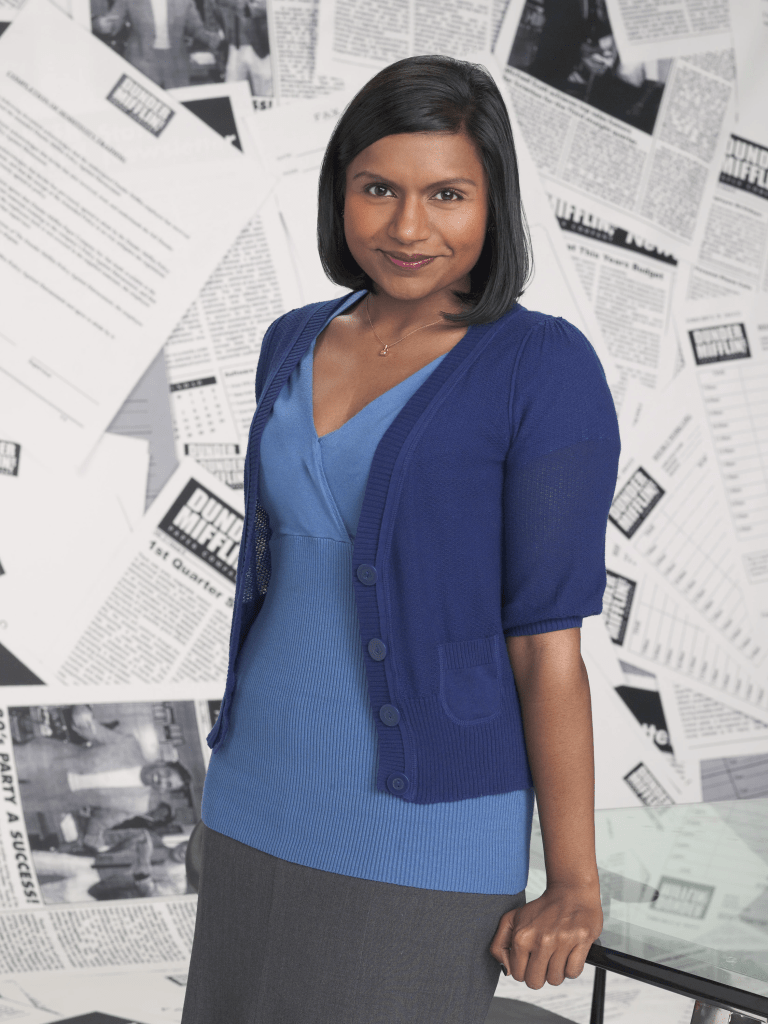
An early example of brown girl representation that is realistic can be seen in the character Kelly Kapoor from the American sitcom The Office. Kapoor herself is a ditsy, funny, and loveable character who is just like everyone else…has office crushes. Seeing her end up with her office crush Ryan is a subtle yet relatable way of reiterating the fact that brown girls can also be in relationships that seem unlikely, and gives us hope.
Devi Vashukimar, from Netflix’s hit show Never Have I Ever, is an Indian-American teenage girl who has gotten good grades her whole life, but somehow knows nothing about boys. When this teen drama hit Netflix in 2020, people were quick to point out that this was one of the first times that a brown girl was being portrayed as angsty, childish, and borderline dumb when it came to the real world. She likes the wrong guys, makes insensitive jokes, and can’t seem to cope with the loss of her father properly, all valid and relatable traits of a teenage girl.

Brown girls can also be luxurious, powerful, and confident. Seeing a highly glamorized version of someone gives people, especially a younger audience, the hopes and dreams to also be big in the world, the type of glamour we typically see white women embody. This is seen in the character Tahani Al-Jamil from The Good Place. She’s a star-studded, egotistical, apathetic woman, who ends up growing as a person and becoming somehow worthwhile and inspiring. She’s the attractive brown woman in the show, not a package of overused stereotypes we see brown women possess, such as unattractive, inexperienced, and “weird.” This means that we are actively seeing multi-dimensional women on our screens, women that resemble modern 21st-century traits and tropes.

Of course, the stereotypes of South Asian and Asian people in general can apply to some individuals, but it simply does not represent the race as a whole. Just like how you can’t assign a group to one personality trait, you can’t generalize the characteristics of South Asian people. We are all very different in our livelihoods and experiences, and we undergo different life experiences and paths. But nevertheless, we deserve to see that on screen as much as everyone else.
At the end of the day, when we turn to watch a TV show or movie, it’s either an escape from reality or the desire to see something relatable. Brown girls deserve to look at their screens and see girls who look like them make mistakes and…be human. Why should we set up the future generation of South Asians to digest the unfair stereotype placed on them? Instead, we should be reiterating the fact that brown girls don’t always have to be the smartest in the room, in fact, the opposite might be more empowering than you think.
 Generasian
0 comments on “Brown girls don’t always have to be the smartest in the room, in fact, the opposite might be more empowering than you think ”