

Growing up as a South Asian girl in America was never easy; I was always burdened with stereotypes about my academics, food, and family life. Queries about my origins often left me uneasy, as responses like “Boston” or a mention of my parents’ Asian heritage prompted perplexed expressions. The seemingly innocent question, “Where are you from?” stirred a mix of emotions, raising uncertainties about its intent — was it a curiosity about my residence, a suggestion of foreignness based on ethnicity or a genuine interest in my cultural background?

Identity and belonging are integral to one’s sense of self and place in society. For individuals of South Asian descent living in the United States, these concepts are deeply intertwined with the ongoing struggles surrounding Asian American identity. Suraji Wagage, Ph.D., JD, a licensed clinical psychologist and the co-founder and director of the Center for Cognitive Behavioral Therapy and Mindfulness, highlights that despite the intention for South Asians to be included under the umbrella term “Asian,” they often find themselves forgotten as a distinct subgroup. “I personally always feel uncomfortable checking ‘Asian’ when required to select my ethnicity on a form,” she says.
According to the National Alliance on Mental Illness (NAMI), AAPI refers to “approximately 50 ethnic groups speaking over 100 languages, with connections to Chinese, Indian, Japanese, Filipino, Vietnamese, Korean, Hawaiian, and other Asian and Pacific Islander ancestries”. The term ‘AAPI’ is intended to be inclusive, but it does not always encompass the specific experiences of each subgroup, particularly South Asians.
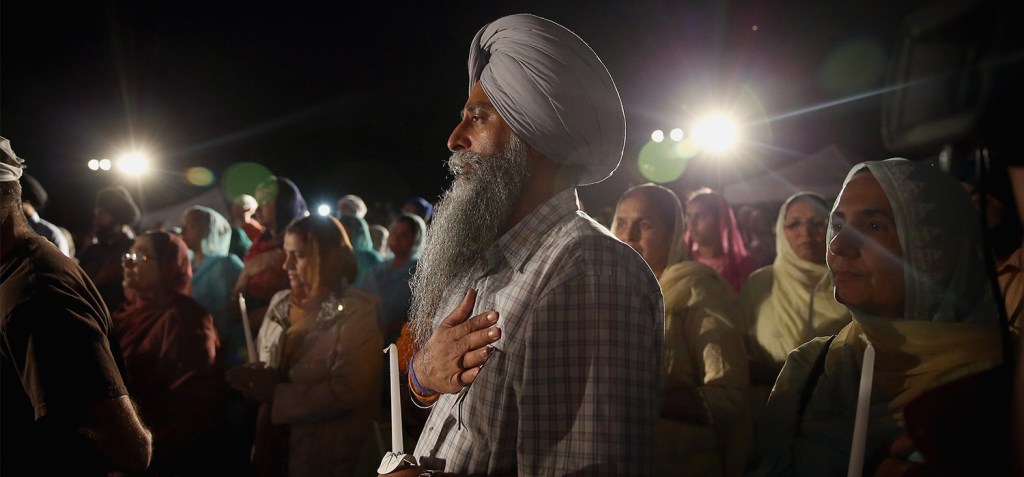
Despite the knowledge that South Asian, East Asian, and Southeast Asian communities may encounter some similar experiences, their distinct histories, challenges, and contributions set them apart. Notably, South Asians have endured a unique history of racism and discrimination in the United States, exemplified by instances such as the post-9/11 backlash and the prevalence of “anti-Muslim” rhetoric in both current and past administrations.
Although it is obvious that hate crimes committed towards the Asian community are not something new, “South Asians have a history of experiencing racism in the United States also and are unfortunately often left out of the discussion”. With ambiguity over who “Asians” are, Psychologist Shamin Ladhani, PsyD notes that there is a tendency to frame groups based on their country of origin. Many South Asians are often told that they are either ‘Indian’ (most South Asians are grouped to be called Indian — which is super racist by the way) or Asian – creating a disconnect between ethnicity and race which are two different things.
Furthermore, the term ‘South Asian’ specifically denotes individuals whose ancestry traces back to the Indian subcontinent, encompassing Bangladesh, Bhutan, India, Maldives, Nepal, Pakistan, and Sri Lanka. The South Asian American diaspora also encompasses successive generations of South Asians originating from diverse regions worldwide who subsequently settled in the United States, including those from Guyana, Trinidad, Kenya, Singapore, Malaysia, etc — a group of people who are often excluded. Within the United States Census, we are classified as a subgroup of Asian Americans and since racial identification is determined by self-identification, the categorization — which is not intended to establish race based on biological, anthropological, or genetic criteria — can feel uncomfortable for many.

For many South Asians like myself, we try to find commonality in different terms. ‘South Asian,’ ‘brown’ and ‘Desi’ are three that are popularly used today. A 2019 article in Asian American Policy Review outlined that the ‘brown’ Asian American movement is not necessary only for South Asians, but also for Filipinos and other Southeast Asian communities who may also identify with the term and feel marginalized within the AAPI spaces. The emergence of the term ‘brown’ was also used as a way to deal with the ambiguity of the category ‘Asian American’. People often think of ‘Asian’ as referring only to East Asians, which can be confusing. So, ‘brown’ was created to offer clarity, giving those who aren’t usually seen as Asian in the United States their own distinct category. Experts say pervasive colorism is also a huge factor when it comes to the label, however, as this generation pushes back against Eurocentric beauty standards, the term is beginning to take on new meaning as more South and Southeast Asians take back control over their identities. However, it is important to note that many believe that claiming “brown” can erase Latino, North African, or Middle Eastern people who also identify with the term.
The erasure of South Asians from the Asian American narrative is a significant concern. South Asians may feel disconnected from the broader Asian American identity and not fully recognized as Asian American. This lack of representation can have real-world consequences, such as underrepresentation in research, education, and advocacy efforts aimed at addressing issues within the AAPI community. Ladhani explains, “While there are studies that use the term Asian, this typically refers to East Asian, so it is important to see if the data was disaggregated to represent unique differences between these groups. Researchers need to work to make sure that all Asian groups are represented in order to better account for these unique differences.”
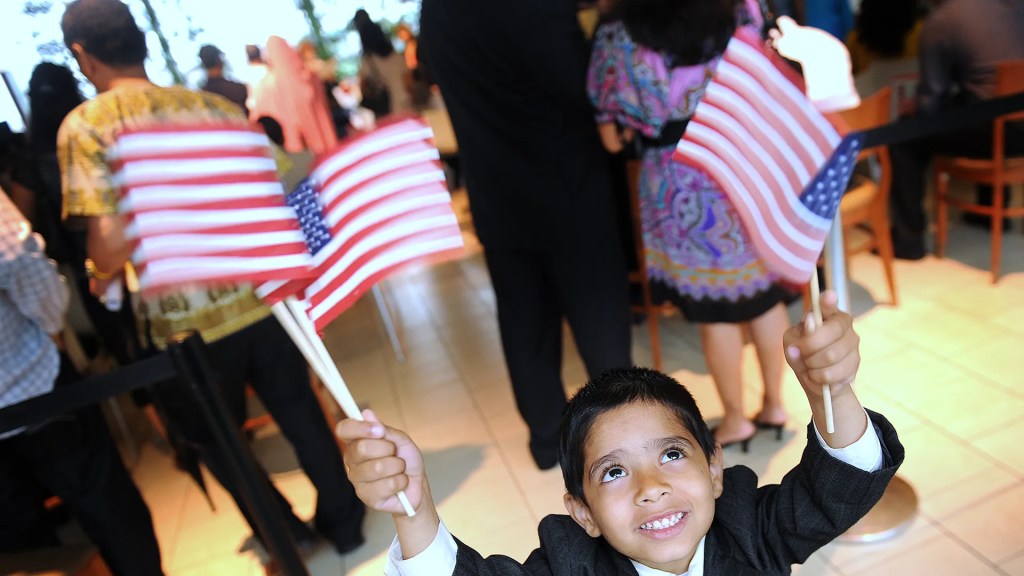
In the United States, the ‘Asian’ identity is different, or at least the perceived Asians have a different identity than South Asians; when they say ‘Asian’ they’re referring to people from East Asian countries. A 2016 study done by the National Asian American Survey found that 42% of white Americans believed that Indians are “not likely to be” Asian or Asian American. What is more concerning is that oftentimes, we South Asians will identify ourselves as our country of origin rather than Asian as it is less likely to cause discomfort or confrontation.
To address this issue, it’s crucial to raise awareness about the discrimination and racism that South Asians encounter within the AAPI community. The AAPI community is incredibly diverse, and recognizing the unique experiences of South Asians is essential for creating a more inclusive society. Through open dialogue, awareness, and challenging stereotypes and biases, South Asians and other marginalized groups within the AAPI community can assert their rightful place within the broader Asian American identity. Responding to anti-Asian sentiments isn’t the responsibility of any single group but requires a collective effort grounded in understanding and empathy.
 Generasian
0 comments on “South Asians are Asian Too”